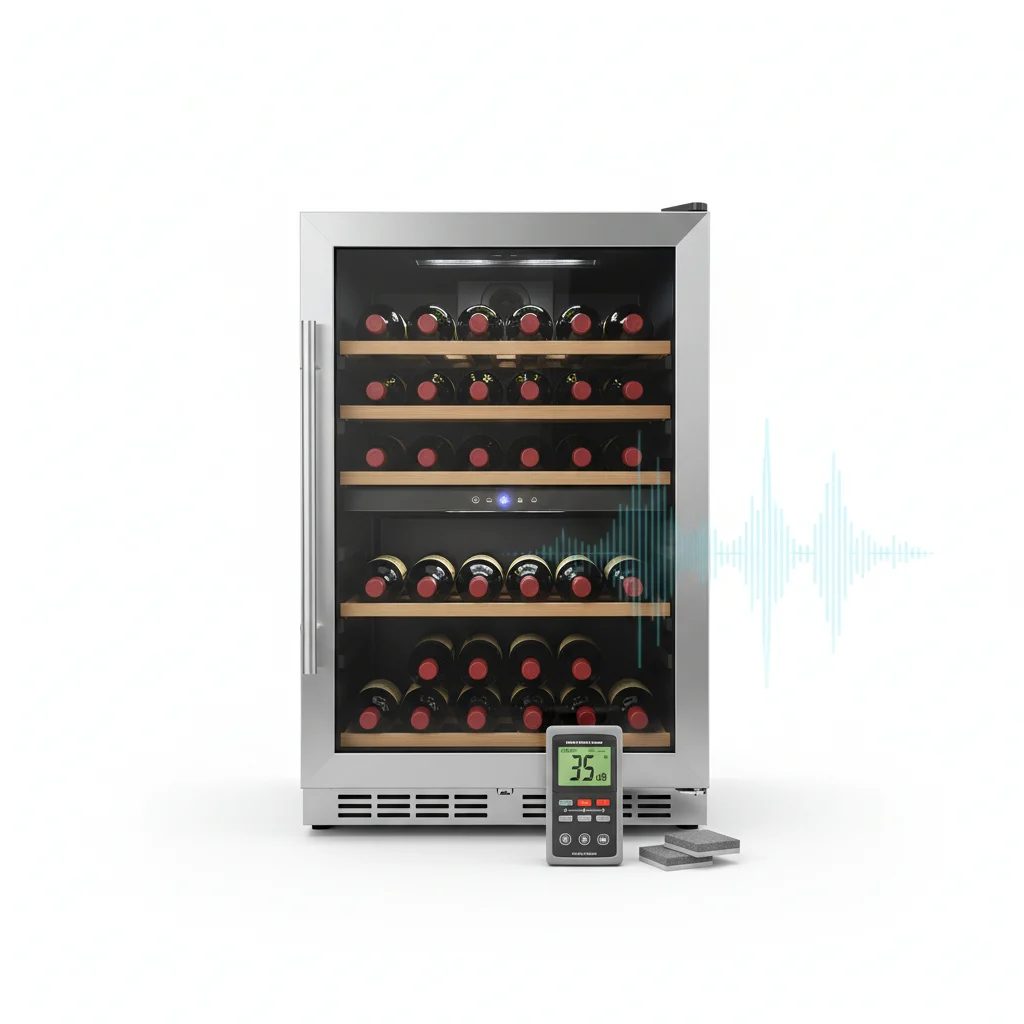
The acceptable decibel level for a wine cooler typically ranges between 35 and 45 dB. Anything above this range can be considered disruptive, especially in a quiet home environment. Understanding what contributes to wine cooler noise and how to mitigate it can significantly improve your experience and the longevity of your appliance.
Understanding Decibel Levels in Home Appliances
Decibel (dB) is a unit used to measure the intensity of a sound. For context, a whisper is around 30 dB, normal conversation is about 60 dB, and a vacuum cleaner can reach 70 dB. When it comes to home appliances like wine coolers, lower decibel levels are always preferred, particularly if the unit is located in a living area or kitchen. Manufacturers often list the noise level in their specifications, which is a crucial factor to consider during purchase.
Common Sources of Wine Cooler Noise
Several components within a wine cooler can contribute to its overall noise output. The compressor is often the primary culprit, as it cycles on and off to maintain the desired temperature. Fans, responsible for circulating air and cooling the compressor, can also generate noise, especially if they are old or dirty. Additionally, vibrations from loose parts or an uneven placement can amplify existing sounds. Understanding these sources helps in diagnosing and addressing excessive noise.
- Compressor cycling on and off
- Internal cooling fans operating
- Vibrations from an uneven surface
- Loose internal components
- Refrigerant flow through the system
Factors Influencing Wine Cooler Noise Levels
|
Our Picks for the Best Wine Cooler in 2026
As an Amazon Associate I earn from qualifying purchases.
|
||
| Num | Product | Action |
|---|---|---|
| 1 | BLACK+DECKER Wine Cooler 8 Bottle,Wine Fridge Thermoelectric with Mirrored Front,Freestanding Wine Cooler Refrigerator &LED Display,BD60326 |

|
| 2 | Ivation Premium 6 Bottle Horizontal Thermoelectric Wine Cooler/Chiller Counter Top Red & White Wine Cellar w/Digital Temperature, Freestanding Refrigerator Quiet Operation Fridge |
|
| 3 | Ivation 12 Bottle Compressor Wine Cooler Refrigerator w/Lock, Large Freestanding Wine Cellar Fridge, 41f-64f Digital Temperature Control Glass Door Black |
|
| 4 | Cuisinart CWC-800CEN 8-Bottle Private Reserve Wine Cellar |
|
| 5 | BLACK+DECKER BD60026 Wine Cellar with LED Display (8-Bottle Capacity) |
|
| 6 | Wine Enthusiast 32-Bottle Dual Zone MAX Compressor Wine Cooler – Freestanding Mini Fridge with Digital Touchscreen, LED Display, Split Storage for Red & White Wines, Matte Black Refrigerator Home Bar |
|
| 7 | Ivation Premium Stainless Steel 8 Bottle Horizontal Thermoelectric Wine Cooler/Chiller Counter Top Red & White Wine Cellar w/Digital Temperature, Freestanding Refrigerator Quiet Operation Fridge |
|
| 8 | Wine Enthusiast 6-Bottle Countertop Wine Cooler – Compact Mini Fridge for Kitchen or Bedroom with 3 Shelves, Energy-Efficient Cooling, Adjustable Digital Temperature Control |
|
| 9 | BLACK+DECKER Wine Fridge 12 Bottles, Thermoelectric Wine Cooler Refrigerator with Mirrored Front, Freestanding 12 Bottle Wine Fridge, BD60336 |
|
| 10 | Ivation 12 Bottle Red And White Wine Thermoelectric Wine Cooler/Chiller Counter Top Wine Cellar with Digital Temperature Display, Freestanding Refrigerator Smoked Glass Door Quiet Operation Fridge |
|
The type of wine cooler, its age, and its placement all play a role in how much noise it produces. Thermoelectric wine coolers, for example, are generally quieter than compressor-based models because they lack a compressor. However, thermoelectric units are typically less powerful and suitable for smaller collections. Older units may develop louder noises as components wear down. Furthermore, placing a wine cooler on a hard, resonant surface or too close to a wall can amplify sounds. Proper installation and regular maintenance are key to minimizing noise.
How to Reduce Wine Cooler Noise
If your wine cooler is making excessive noise, there are several steps you can take to reduce it. First, ensure the unit is level and stable; adjusting the leveling feet can often make a significant difference. Cleaning the condenser coils and fan blades can also help, as dust buildup can impede their operation and increase noise. If the noise persists, consider placing a vibration-dampening mat underneath the cooler. For persistent compressor noise, professional servicing might be necessary.Investing in a high-quality, low-noise model from the outset can prevent many of these issues.
When to Consider Professional Help or Replacement
While some noise is normal, a sudden increase in volume, grinding, or rattling sounds could indicate a more serious problem. If basic troubleshooting doesn’t resolve the issue, it might be time to consult a professional technician. They can diagnose problems with the compressor, fan motor, or other internal components. In some cases, especially with older units, the cost of repair might outweigh the cost of a new, more efficient, and quieter model.Modern wine coolers often feature advanced noise reduction technologies, making them a worthwhile upgrade for a peaceful home environment.
Get our weekly buyer guide
Practical specs, not advice. Unsubscribe anytime.

I was so worried about getting a wine cooler because I’m really sensitive to noise, especially since mine is in our open-concept living room. This guide was super helpful in understanding the 35-45 dB range. I ended up getting a model that’s rated at 38 dB, and it’s practically silent. My wines are perfectly chilled, and I don’t even notice it running. Highly recommend paying attention to those decibel levels!
Great info here! I’ve had my wine cooler for a few years, and it started getting louder recently. I thought it was just old, but after reading about common sources of noise, I realized it might be the fan. I’m going to try cleaning it out this weekend to see if that helps. It’s definitely above the 45 dB mark now, which is pretty disruptive when we’re trying to relax.
I bought a wine cooler last year, and while it keeps my wine at a good temperature, the noise is a bit much. I wish I had known more about checking the decibel levels before I purchased it. It’s in my kitchen, and sometimes it’s louder than I’d like, especially when the compressor kicks in. It’s not terrible, but it’s definitely noticeable, probably closer to a normal conversation level than a whisper.
This was exactly what I needed! I’m in the market for a new wine cooler, and the noise factor was a huge concern for me since my last one was so loud. Understanding that a whisper is around 30 dB and a vacuum is 70 dB really put the wine cooler noise levels into perspective. I’m now confidently looking for units specifically listing lower decibel ratings in their specs. Thanks for the clear breakdown!