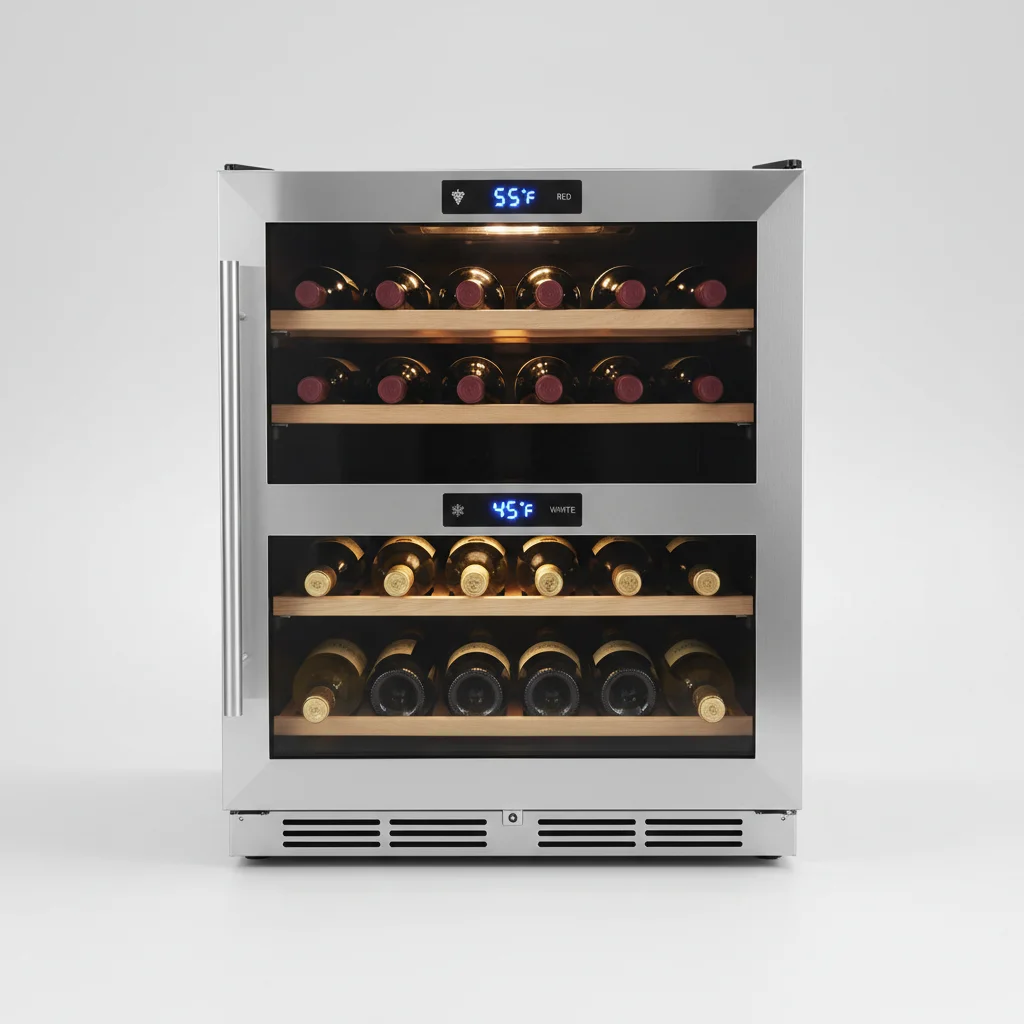
The number of temperature zones you need in a wine cooler depends entirely on the variety of wines you plan to store and your serving preferences. For serious collectors who enjoy both red and white wines, a dual-zone or even multi-zone cooler is highly beneficial, allowing for optimal storage and serving temperatures for different wine types simultaneously. Casual drinkers storing only one type of wine may find a single-zone unit sufficient.
Understanding Single-Zone Wine Coolers
Single-zone wine coolers maintain one consistent temperature throughout the entire unit. These are ideal for individuals who primarily collect or consume one type of wine, such as a dedicated red wine enthusiast or someone who only chills white wines. While simpler, they are less versatile if your collection expands to include different varietals with distinct temperature requirements. The advantage of a single-zone unit often lies in its lower cost and simpler operation. For see our home wine recommendations on this site.
Benefits of Dual-Zone Wine Coolers
Dual-zone wine coolers feature two distinct compartments, each capable of maintaining a different temperature. This setup is perfect for those who enjoy both red and white wines, as it allows you to store reds at their ideal cellar temperature (typically 55-65°F) and whites at their optimal serving temperature (45-55°F) concurrently. This eliminates the need for multiple appliances or the compromise of storing all wines at a single, less-than-ideal temperature. Most dual-zone units have a clear separation, often with independent controls for each zone.
- Optimal storage for red wines (55-65°F)
- Ideal serving temperature for white wines (45-55°F)
- Increased versatility for diverse wine collections
- Convenience of having both types ready to serve
Exploring Multi-Zone Wine Coolers
|
Our Picks for the Best Wine Cooler in 2026
As an Amazon Associate I earn from qualifying purchases.
|
||
| Num | Product | Action |
|---|---|---|
| 1 | BLACK+DECKER Wine Fridge 12 Bottles, Thermoelectric Wine Cooler Refrigerator with Mirrored Front, Freestanding 12 Bottle Wine Fridge, BD60336 |

|
| 2 | Ivation 12 Bottle Compressor Wine Cooler Refrigerator w/Lock, Large Freestanding Wine Cellar Fridge, 41f-64f Digital Temperature Control Glass Door Black |
|
| 3 | Ivation Premium 6 Bottle Horizontal Thermoelectric Wine Cooler/Chiller Counter Top Red & White Wine Cellar w/Digital Temperature, Freestanding Refrigerator Quiet Operation Fridge |
|
| 4 | Cuisinart CWC-800CEN 8-Bottle Private Reserve Wine Cellar |
|
| 5 | BLACK+DECKER BD60026 Wine Cellar with LED Display (8-Bottle Capacity) |
|
| 6 | BLACK+DECKER Wine Cooler 8 Bottle,Wine Fridge Thermoelectric with Mirrored Front,Freestanding Wine Cooler Refrigerator &LED Display,BD60326 |
|
| 7 | Wine Enthusiast 32-Bottle Dual Zone MAX Compressor Wine Cooler – Freestanding Mini Fridge with Digital Touchscreen, LED Display, Split Storage for Red & White Wines, Matte Black Refrigerator Home Bar |
|
| 8 | Ivation Premium Stainless Steel 8 Bottle Horizontal Thermoelectric Wine Cooler/Chiller Counter Top Red & White Wine Cellar w/Digital Temperature, Freestanding Refrigerator Quiet Operation Fridge |
|
| 9 | Ivation 12 Bottle Red And White Wine Thermoelectric Wine Cooler/Chiller Counter Top Wine Cellar with Digital Temperature Display, Freestanding Refrigerator Smoked Glass Door Quiet Operation Fridge |
|
| 10 | Wine Enthusiast 6-Bottle Countertop Wine Cooler – Compact Mini Fridge for Kitchen or Bedroom with 3 Shelves, Energy-Efficient Cooling, Adjustable Digital Temperature Control |
|
Beyond dual-zone, some advanced wine coolers offer three or more temperature zones. These multi-zone units cater to serious connoisseurs with very diverse collections, including sparkling wines, dessert wines, and specific varietals that benefit from precise temperature control. While more expensive and often larger, they provide the ultimate flexibility for wine storage and preparation. These are typically found in high-end models designed for extensive collections.
Factors to Consider When Choosing Zones
When deciding on the number of temperature zones, consider the size and diversity of your current wine collection, as well as any future expansion plans. If you primarily drink one type of wine, a single-zone unit is economical and effective. However, if you frequently entertain or have a growing interest in various wines, investing in a dual-zone or multi-zone cooler will provide greater convenience and ensure your wines are always stored and served at their best. Also, think about the physical space available for the cooler and your budget, as more zones generally mean a higher price point.
Ultimately, the best choice for your home depends on your personal wine habits. For most enthusiasts with a varied collection, a dual-zone wine cooler offers the perfect balance of functionality and value. It allows for the proper care of both red and white wines, ensuring they are always ready to be enjoyed at their peak.For those with a more specialized collection, a single-zone unit might suffice, while serious collectors might lean towards multi-zone options for ultimate precision.
Get our weekly buyer guide
Practical specs, not advice. Unsubscribe anytime.

I’m so glad I read this before buying! I was about to pull the trigger on a single-zone cooler because I mostly drink white wine, but then I remembered my husband’s growing red wine collection. The advice about dual-zone coolers for serious collectors was spot on. We ended up getting a dual-zone, and it’s perfect for keeping both our reds and whites at their ideal serving temperatures. No more guessing games!
This really helped clarify the temperature zone dilemma. I’ve always just used my regular fridge, but I’m finally ready to invest in a proper wine cooler. I appreciate the breakdown of when a single-zone is sufficient. For now, I think a single-zone will work for my needs since I primarily store only one type of wine, but it’s good to know what to look for if my collection expands.
As someone who enjoys both red and white wines, I can’t stress enough how much a multi-zone cooler has improved my wine experience. Being able to store different varietals at their optimal temperatures simultaneously is a game-changer. No more chilling reds in the fridge for an hour before serving! It truly makes a difference in the taste and enjoyment of each bottle.
I got a multi-zone cooler based on similar recommendations, and while it’s great for my reds and whites, I find the temperature controls a little finicky. It takes a bit of effort to get each zone exactly where I want it, and sometimes it drifts a degree or two. It’s not a deal-breaker, but it’s something to be aware of if you’re expecting set-it-and-forget-it precision across multiple zones.