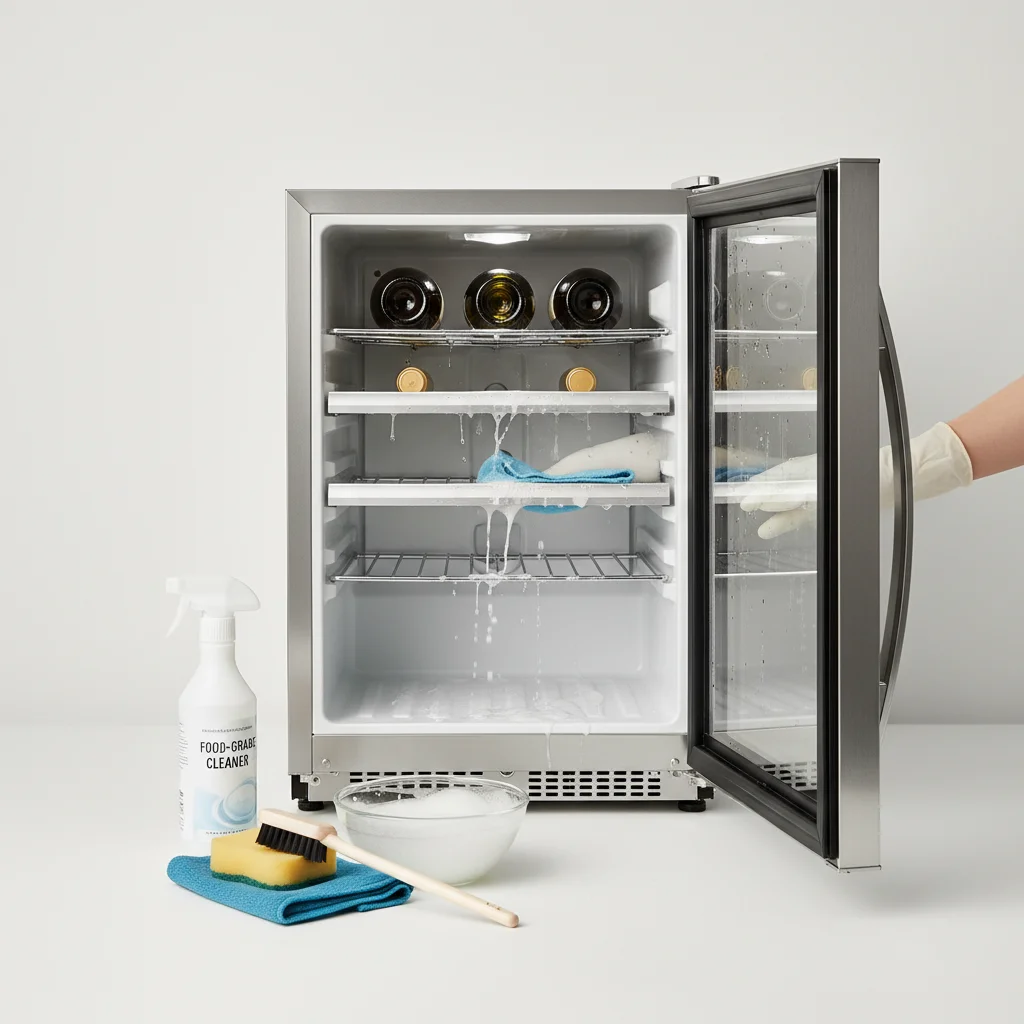
Maintaining your wine cooler is crucial for its longevity and the optimal preservation of your wine collection. Generally, you should aim to clean your wine cooler thoroughly every 3 to 6 months, with lighter, more frequent wipe-downs as needed. This routine helps prevent mold growth, eliminates odors, and ensures the cooling system operates efficiently, protecting your valuable bottles from temperature fluctuations and contaminants.
Why Regular Cleaning is Essential for Your Wine Cooler
Regular cleaning goes beyond aesthetics; it’s a vital part of preserving the quality of your wine. Dust and debris can accumulate on the condenser coils, forcing the unit to work harder and consume more energy. Furthermore, spills or condensation can lead to mold and mildew, which not only create unpleasant odors but can also compromise the integrity of your wine corks, potentially spoiling your wine. A clean environment ensures stable temperatures and humidity levels, which are critical for long-term wine storage. For best home wine roundups on this site.
Neglecting maintenance can lead to costly repairs or even premature failure of your wine cooler. By investing a small amount of time in regular cleaning, you can significantly extend the lifespan of your appliance and safeguard your investment in fine wines. Consider it an integral part of your wine collecting hobby, much like decanting or proper serving temperatures.
Step-by-Step Guide to Deep Cleaning Your Wine Cooler
A thorough cleaning involves several key steps. First, always unplug the unit before you begin to ensure safety. Remove all wine bottles and shelves. Wash the shelves with a mild soap and water solution, then dry them completely. For the interior, use a solution of equal parts white vinegar and water to wipe down all surfaces. This natural cleaner is effective against mold and odors without leaving harmful residues. Pay special attention to corners and crevices where moisture might accumulate.
- Unplug the wine cooler and remove all contents.
- Wash shelves and racks with mild soap and water; dry thoroughly.
- Wipe down interior with a 50/50 white vinegar and water solution.
- Clean the exterior surfaces with a soft cloth and mild cleaner.
- Vacuum or brush the condenser coils to remove dust and debris.
Cleaning the Condenser Coils and Exterior
|
Our Picks for the Best Wine Cooler in 2026
As an Amazon Associate I earn from qualifying purchases.
|
||
| Num | Product | Action |
|---|---|---|
| 1 | Wine Enthusiast 6-Bottle Countertop Wine Cooler – Compact Mini Fridge for Kitchen or Bedroom with 3 Shelves, Energy-Efficient Cooling, Adjustable Digital Temperature Control |

|
| 2 | BLACK+DECKER BD60026 Wine Cellar with LED Display (8-Bottle Capacity) |
|
| 3 | Cuisinart CWC-800CEN 8-Bottle Private Reserve Wine Cellar |
|
| 4 | Wine Enthusiast 32-Bottle Dual Zone MAX Compressor Wine Cooler – Freestanding Mini Fridge with Digital Touchscreen, LED Display, Split Storage for Red & White Wines, Matte Black Refrigerator Home Bar |
|
| 5 | Ivation 12 Bottle Red And White Wine Thermoelectric Wine Cooler/Chiller Counter Top Wine Cellar with Digital Temperature Display, Freestanding Refrigerator Smoked Glass Door Quiet Operation Fridge |
|
| 6 | BLACK+DECKER Wine Fridge 12 Bottles, Thermoelectric Wine Cooler Refrigerator with Mirrored Front, Freestanding 12 Bottle Wine Fridge, BD60336 |
|
| 7 | Ivation Premium Stainless Steel 8 Bottle Horizontal Thermoelectric Wine Cooler/Chiller Counter Top Red & White Wine Cellar w/Digital Temperature, Freestanding Refrigerator Quiet Operation Fridge |
|
| 8 | BLACK+DECKER Wine Cooler 8 Bottle,Wine Fridge Thermoelectric with Mirrored Front,Freestanding Wine Cooler Refrigerator &LED Display,BD60326 |
|
| 9 | Ivation 12 Bottle Compressor Wine Cooler Refrigerator w/Lock, Large Freestanding Wine Cellar Fridge, 41f-64f Digital Temperature Control Glass Door Black |
|
| 10 | Ivation Premium 6 Bottle Horizontal Thermoelectric Wine Cooler/Chiller Counter Top Red & White Wine Cellar w/Digital Temperature, Freestanding Refrigerator Quiet Operation Fridge |
|
The condenser coils are often located at the back or bottom of the unit and are critical for heat dissipation. Over time, these coils can become covered in dust, which reduces efficiency. Use a vacuum cleaner with a brush attachment or a soft brush to gently remove any accumulated dust. Be careful not to bend the delicate fins. For the exterior, a soft cloth dampened with a mild all-purpose cleaner is usually sufficient. Avoid abrasive cleaners that can scratch the finish. Don’t forget to clean the door gasket with a damp cloth to ensure a tight seal, which is vital for maintaining internal temperatures.
Preventative Measures and Routine Checks
Beyond deep cleaning, there are several preventative measures you can take to keep your wine cooler in top condition. Regularly check the door seal for any gaps or cracks. A simple test is to close the door on a piece of paper; if you can pull the paper out easily, the seal might need attention. Ensure the unit has adequate ventilation around it, as restricted airflow can lead to overheating. Consider using a small, open box of baking soda inside the cooler to absorb any lingering odors between cleanings.
Addressing Common Issues During Cleaning
During your cleaning routine, you might encounter common issues such as persistent odors or minor mold spots. For stubborn odors, a more concentrated vinegar solution or a specialized appliance deodorizer can be effective. If you find mold, ensure you’re using gloves and a mask, and clean the area thoroughly with a bleach-free mold remover, followed by a vinegar rinse. For persistent condensation, check the door seal and ensure the humidity levels in your home aren’t excessively high. Sometimes, simply adjusting the cooler’s leveling feet can improve door sealing.
Frequently Asked Questions
How often should a wine cooler be cleaned for optimal performance?
A wine cooler should be thoroughly cleaned every 3 to 6 months to ensure optimal performance and prevent issues like mold growth. Lighter wipe-downs can be done more frequently as needed. This schedule helps maintain stable temperatures and humidity levels for your wine.
What are the main benefits of regularly cleaning a wine cooler?
Regular cleaning of a wine cooler prevents dust accumulation on condenser coils, which improves energy efficiency and extends the unit's lifespan. It also eliminates odors and mold, protecting wine corks and ensuring consistent temperature and humidity for wine preservation.
What cleaning solution is best for the interior of a wine cooler?
For the interior of a wine cooler, a solution of equal parts white vinegar and water is highly effective. This natural cleaner combats mold and odors without leaving harmful chemical residues. Always unplug the unit and remove all contents before cleaning.
How do you clean the condenser coils on a wine cooler?
To clean the condenser coils, which are typically at the back or bottom of the unit, use a vacuum cleaner with a brush attachment or a soft brush. Gently remove accumulated dust to improve heat dissipation and efficiency. Be careful not to bend the delicate fins.
What preventative measures can extend a wine cooler's lifespan?
To extend a wine cooler's lifespan, regularly check the door seal for gaps and ensure adequate ventilation around the unit. Placing a small, open box of baking soda inside can absorb odors between cleanings. These steps help maintain internal temperatures and prevent overheating.
Deep Clean Your Wine Cooler
Follow these steps to thoroughly clean your wine cooler, ensuring its longevity and optimal wine preservation.
For safety, always unplug the wine cooler from its power source. Carefully remove all wine bottles and any removable shelves or racks from the unit.
Wash the shelves and racks with a mild soap and water solution, then dry them completely. For the interior, wipe down all surfaces with a 50/50 solution of white vinegar and water, paying attention to corners.
Use a vacuum cleaner with a brush attachment or a soft brush to gently remove dust from the condenser coils. Clean the exterior surfaces and the door gasket with a soft cloth dampened with a mild all-purpose cleaner.
For persistent odors, use a more concentrated vinegar solution or an appliance deodorizer. If mold is present, clean thoroughly with a bleach-free mold remover, followed by a vinegar rinse, wearing gloves and a mask.
Before plugging the unit back in, ensure all parts are dry. Check the door seal for gaps and confirm adequate ventilation around the cooler. Consider placing an open box of baking soda inside to absorb future odors.
Get our weekly buyer guide
Practical specs, not advice. Unsubscribe anytime.

I always worried about temperature fluctuations in my cooler, especially with my more expensive bottles. This guide made me realize that dust on the condenser coils was probably making my unit work harder. After a good clean, it seems to be holding a much more consistent temperature. Definitely worth the effort for peace of mind.
I used to just wipe down my wine cooler whenever it looked dusty, but I never really thought about a deep clean. The advice here about cleaning it every 3 to 6 months really hit home. I followed the steps for cleaning the condenser coils and noticed a huge difference in how quietly it runs now. My wines are definitely in a better environment.
This was super helpful! I’ve had my wine fridge for years and honestly never considered how important preventing mold growth is for my corks. I did a thorough clean last weekend, focusing on the seals and inside walls. It smells so much fresher now, and I feel better knowing my collection is properly protected. Wish I’d read this sooner!
Good info on general cleaning, especially about eliminating odors. I tried the baking soda trick for a persistent smell, and it helped a bit, but didn’t completely get rid of it. Maybe my cooler needs a more intense solution. Still, it’s a good reminder to keep up with regular maintenance.