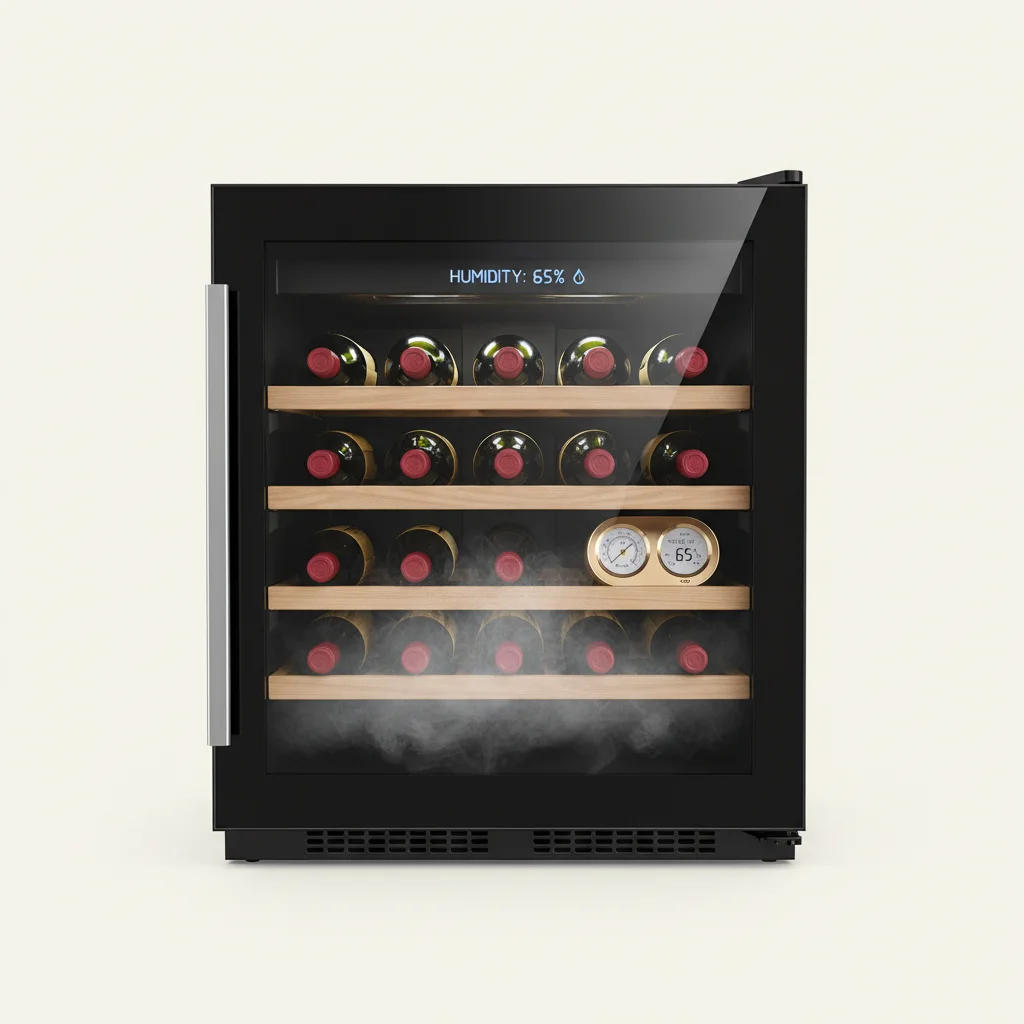
The ideal humidity level for a wine cooler is between 50% and 80%. Maintaining this range is crucial for preserving wine quality, preventing corks from drying out, and ensuring proper aging. Low humidity can lead to cork shrinkage and oxidation, while high humidity encourages mold growth and label damage.
Why Humidity Matters for Wine Storage
Humidity plays a vital role in the long-term preservation of wine, particularly for bottles with natural corks. Corks are porous and can dry out if the surrounding air is too dry. When a cork dries, it shrinks, allowing air to seep into the bottle. This exposure to oxygen, known as oxidation, can prematurely age the wine, stripping it of its delicate flavors and aromas, ultimately spoiling it. Conversely, if the humidity is too high, it can foster the growth of mold on the cork and labels, which, while not always directly affecting the wine inside, can be unsightly and potentially compromise the cork’s integrity over time. For expert home wine reviews on this site.
Beyond cork integrity, consistent humidity also contributes to the overall stability of the wine’s environment. Fluctuations in humidity can cause stress on the cork and bottle seal, leading to micro-movements that might subtly impact the wine’s aging process. A stable environment, including consistent temperature and humidity, mimics the conditions of traditional underground wine cellars, which have been proven over centuries to be optimal for wine maturation.
How to Monitor and Adjust Humidity in Your Wine Cooler
Most modern wine coolers come equipped with built-in hygrometers to display the internal humidity level. If your unit lacks this feature, a small, standalone digital hygrometer can be placed inside to provide accurate readings. Regularly checking this reading, ideally once a week, allows you to identify any deviations from the ideal 50-80% range. If you notice the humidity consistently falling below 50%, you may need to take steps to increase it. Conversely, if it frequently exceeds 80%, measures to reduce it might be necessary.
Adjusting humidity can be done through various methods. For low humidity, a small dish of distilled water or a damp sponge placed inside the cooler can help. Some advanced wine coolers also feature humidity control systems that allow for precise adjustments. For high humidity, ensuring the cooler door seals properly and is not opened excessively can help. A small desiccant pack, specifically designed for enclosed spaces, can also absorb excess moisture, though these should be monitored and replaced regularly to prevent over-drying.
Factors Affecting Wine Cooler Humidity
|
Our Picks for the Best Wine Cooler in 2026
As an Amazon Associate I earn from qualifying purchases.
|
||
| Num | Product | Action |
|---|---|---|
| 1 | BLACK+DECKER Wine Fridge 12 Bottles, Thermoelectric Wine Cooler Refrigerator with Mirrored Front, Freestanding 12 Bottle Wine Fridge, BD60336 |

|
| 2 | Ivation 12 Bottle Compressor Wine Cooler Refrigerator w/Lock, Large Freestanding Wine Cellar Fridge, 41f-64f Digital Temperature Control Glass Door Black |
|
| 3 | BLACK+DECKER Wine Cooler 8 Bottle,Wine Fridge Thermoelectric with Mirrored Front,Freestanding Wine Cooler Refrigerator &LED Display,BD60326 |
|
| 4 | Ivation Premium Stainless Steel 8 Bottle Horizontal Thermoelectric Wine Cooler/Chiller Counter Top Red & White Wine Cellar w/Digital Temperature, Freestanding Refrigerator Quiet Operation Fridge |
|
| 5 | Wine Enthusiast 6-Bottle Countertop Wine Cooler – Compact Mini Fridge for Kitchen or Bedroom with 3 Shelves, Energy-Efficient Cooling, Adjustable Digital Temperature Control |
|
| 6 | Cuisinart CWC-800CEN 8-Bottle Private Reserve Wine Cellar |
|
| 7 | Ivation Premium 6 Bottle Horizontal Thermoelectric Wine Cooler/Chiller Counter Top Red & White Wine Cellar w/Digital Temperature, Freestanding Refrigerator Quiet Operation Fridge |
|
| 8 | Wine Enthusiast 32-Bottle Dual Zone MAX Compressor Wine Cooler – Freestanding Mini Fridge with Digital Touchscreen, LED Display, Split Storage for Red & White Wines, Matte Black Refrigerator Home Bar |
|
| 9 | Ivation 12 Bottle Red And White Wine Thermoelectric Wine Cooler/Chiller Counter Top Wine Cellar with Digital Temperature Display, Freestanding Refrigerator Smoked Glass Door Quiet Operation Fridge |
|
| 10 | BLACK+DECKER BD60026 Wine Cellar with LED Display (8-Bottle Capacity) |
|
Several factors can influence the humidity levels within your wine cooler. The ambient humidity of the room where the cooler is located is a primary contributor. If you live in a very dry climate or use a dehumidifier in the room, the cooler’s internal humidity might naturally be lower. Conversely, a humid environment can lead to higher internal humidity. The frequency with which you open the wine cooler door also plays a role; each time the door is opened, the internal environment is exposed to the external air, potentially altering both temperature and humidity.
The type of wine cooler can also be a factor. Thermoelectric coolers, which operate without a compressor, often have less precise humidity control compared to compressor-based units. The age and condition of the door seal are also critical. A worn or damaged seal can allow external air to constantly infiltrate, making it difficult to maintain stable internal conditions. Regular inspection of the door gasket for cracks or gaps is recommended.
Tips for Optimal Wine Cooler Humidity
- Check Door Seals: Ensure your wine cooler’s door seals are intact and free of cracks or gaps. A simple test is to close the door on a piece of paper; if you can pull it out easily, the seal might be compromised.
- Avoid Over-Opening: Limit how often and how long you open the wine cooler door to minimize exposure to external air.
- Consider Room Humidity: Be mindful of the ambient humidity in the room where your cooler is located. If it’s excessively dry, a room humidifier might indirectly help.
- Use Distilled Water: If adding a water dish, always use distilled water to prevent mineral buildup and potential odors.
- Invest in a Quality Hygrometer: A reliable digital hygrometer provides accurate readings, allowing for informed adjustments.
Maintaining the correct humidity is just as important as temperature control for long-term wine storage. By understanding the factors that influence humidity and implementing simple monitoring and adjustment techniques, you can ensure your wine collection ages gracefully and retains its intended flavors and aromas. For those looking for advanced solutions, consider models with integrated humidity control.
Common Humidity-Related Issues and Solutions
One of the most common issues related to low humidity is dried-out corks. If you notice corks appearing shrunken or brittle, it’s a clear sign that your wine cooler’s humidity is too low. The solution involves increasing the moisture inside the unit, as discussed previously, using methods like a small water dish or a damp sponge. For persistent low humidity, you might need to evaluate the cooler’s placement or consider a model with better humidity regulation. Another issue, though less common in well-maintained coolers, is mold growth due to excessively high humidity. If you spot mold on labels or corks, immediately clean the affected areas with a mild, wine-safe cleaner and then work to reduce the humidity. This might involve ensuring proper ventilation around the cooler and checking for any internal water leaks.
Addressing these issues promptly can prevent further damage to your wine. Regular cleaning of the interior and periodic checks of the drainage system can also help prevent mold and mildew. Some wine coolers have a small drain hole at the back that can become clogged, leading to water accumulation and increased humidity. Keeping this clear is essential for proper function.
Frequently Asked Questions
What is the ideal humidity level for a wine cooler?
The ideal humidity level for a wine cooler is between 50% and 80%. This range is essential for preventing corks from drying out and ensuring the proper aging of your wine collection.
Why is humidity important for storing wine with natural corks?
Humidity is crucial for natural corks because it prevents them from drying out and shrinking. If corks shrink, air can enter the bottle, leading to oxidation and spoilage of the wine's delicate flavors and aromas.
How can I monitor the humidity inside my wine cooler?
You can monitor humidity using a built-in hygrometer, common in modern wine coolers. If your unit lacks one, place a small, standalone digital hygrometer inside and check it weekly for accurate readings.
What are common solutions for low humidity in a wine cooler?
For low humidity, you can place a small dish of distilled water or a damp sponge inside the cooler. Some advanced models also offer integrated humidity control systems for precise adjustments.
How can I reduce high humidity in my wine cooler?
To reduce high humidity, ensure the cooler door seals properly and avoid opening it excessively. A small desiccant pack designed for enclosed spaces can also absorb excess moisture, but should be replaced regularly.
What factors can affect the humidity levels in a wine cooler?
Several factors influence humidity, including the ambient humidity of the room, how often the door is opened, the type of wine cooler (thermoelectric vs. compressor-based), and the condition of the door seal.
Get our weekly buyer guide
Practical specs, not advice. Unsubscribe anytime.

This was really helpful in understanding why my previous cooler wasn’t cutting it. I had no idea low humidity could lead to cork shrinkage and oxidation. I upgraded to a model with better humidity control, and while it was a bit pricier, it’s worth it for protecting my more valuable wines. No more spoiled bottles!
I’ve always struggled with keeping my wine properly. After reading about the importance of 50-80% humidity, I invested in a cooler that specifically maintains that range. My corks are no longer drying out, and I’ve noticed a real difference in the taste of my older bottles. It’s such a relief to know my collection is safe.
I appreciate the info on preventing mold growth from high humidity. My current cooler sometimes gets a bit too damp, and I’ve had a few labels get damaged. It’s not ideal, but the wine inside has always been fine. I’m looking into a new unit, but it’s hard to find one that perfectly balances everything without breaking the bank.
I used to just store my wine in a regular pantry, and I’d often find the corks looking a bit shriveled. Learning that this causes premature aging and spoils the wine was a game-changer. I got a small wine fridge for my kitchen, and it’s been fantastic for keeping the humidity just right. My wines taste so much better now.