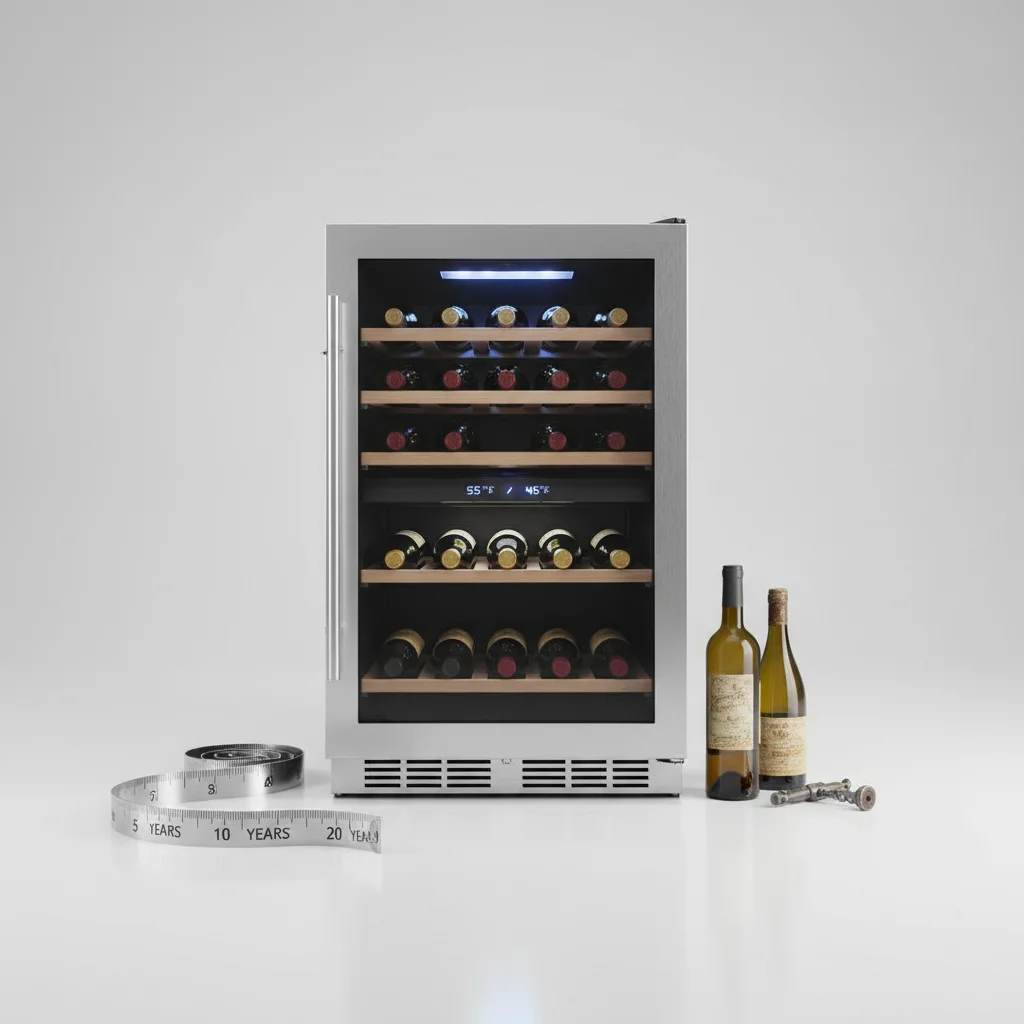
The typical lifespan of a home wine cooler is between 8 and 12 years, though this can vary significantly based on the type, brand, usage, and maintenance. Understanding the factors that influence this longevity can help you maximize your unit’s operational life and protect your wine collection.
Factors Influencing Wine Cooler Longevity
Several key elements contribute to how long your wine cooler will last. Compressor-based models generally have a longer lifespan than thermoelectric units due to their more robust cooling mechanisms. High-end brands often use more durable components and better insulation, which translates to extended service life. Regular and proper maintenance, including cleaning coils and ensuring adequate ventilation, also plays a crucial role in preventing premature wear and tear.
Environmental conditions, such as ambient room temperature and humidity, can also impact a wine cooler’s performance and longevity. Operating a cooler in an excessively hot or humid environment forces the compressor to work harder, potentially shortening its life. Proper placement, away from direct sunlight and heat sources, is essential.
Signs Your Wine Cooler is Nearing its End
Recognizing the signs of a failing wine cooler can help you plan for a replacement before your valuable wine collection is compromised. Common indicators include inconsistent temperatures, excessive noise from the compressor, frequent cycling on and off, or a complete failure to cool. Visible signs like condensation inside the unit when it shouldn’t be there, or a persistent musty odor, can also signal underlying issues.
If you notice your wine cooler struggling to maintain its set temperature, especially during warmer months, it might be a sign that the cooling system is becoming inefficient. Increased energy bills without a change in usage can also point to a unit working harder than it should, indicating a decline in performance.
Extending Your Wine Cooler’s Life
|
Our Picks for the Best Wine Cooler in 2026
As an Amazon Associate I earn from qualifying purchases.
|
||
| Num | Product | Action |
|---|---|---|
| 1 | Cuisinart CWC-800CEN 8-Bottle Private Reserve Wine Cellar |

|
| 2 | Ivation 12 Bottle Red And White Wine Thermoelectric Wine Cooler/Chiller Counter Top Wine Cellar with Digital Temperature Display, Freestanding Refrigerator Smoked Glass Door Quiet Operation Fridge |
|
| 3 | BLACK+DECKER BD60026 Wine Cellar with LED Display (8-Bottle Capacity) |
|
| 4 | Wine Enthusiast 32-Bottle Dual Zone MAX Compressor Wine Cooler – Freestanding Mini Fridge with Digital Touchscreen, LED Display, Split Storage for Red & White Wines, Matte Black Refrigerator Home Bar |
|
| 5 | Ivation Premium 6 Bottle Horizontal Thermoelectric Wine Cooler/Chiller Counter Top Red & White Wine Cellar w/Digital Temperature, Freestanding Refrigerator Quiet Operation Fridge |
|
| 6 | Ivation Premium Stainless Steel 8 Bottle Horizontal Thermoelectric Wine Cooler/Chiller Counter Top Red & White Wine Cellar w/Digital Temperature, Freestanding Refrigerator Quiet Operation Fridge |
|
| 7 | BLACK+DECKER Wine Cooler 8 Bottle,Wine Fridge Thermoelectric with Mirrored Front,Freestanding Wine Cooler Refrigerator &LED Display,BD60326 |
|
| 8 | Ivation 12 Bottle Compressor Wine Cooler Refrigerator w/Lock, Large Freestanding Wine Cellar Fridge, 41f-64f Digital Temperature Control Glass Door Black |
|
| 9 | BLACK+DECKER Wine Fridge 12 Bottles, Thermoelectric Wine Cooler Refrigerator with Mirrored Front, Freestanding 12 Bottle Wine Fridge, BD60336 |
|
| 10 | Wine Enthusiast 6-Bottle Countertop Wine Cooler – Compact Mini Fridge for Kitchen or Bedroom with 3 Shelves, Energy-Efficient Cooling, Adjustable Digital Temperature Control |
|
Proactive measures can significantly extend the life of your wine cooler. Regular cleaning of the condenser coils, typically every 6-12 months, prevents dust and debris buildup that can hinder cooling efficiency. Ensuring proper ventilation around the unit, especially for built-in models, is critical to prevent overheating of the compressor.
- Clean condenser coils regularly to maintain efficiency.
- Ensure adequate clearance for ventilation around the unit.
- Avoid overloading the cooler, which strains the cooling system.
- Keep the door seals clean and check for airtight closure.
- Perform periodic temperature checks with an external thermometer.
Additionally, avoiding frequent door openings helps maintain stable internal temperatures and reduces the workload on the cooling system. If you notice minor issues, addressing them promptly with professional repair can prevent them from escalating into major, costly problems.
When to Consider a Replacement
Deciding when to replace your wine cooler rather than repair it often comes down to a cost-benefit analysis. If the repair cost approaches or exceeds 50% of the price of a new unit, replacement is usually the more economical choice. Older units, especially those past the 10-year mark, may also be less energy-efficient than newer models, making a replacement a wise investment in the long run.
Consider the value of your wine collection. If your cooler is unreliable and poses a risk to expensive bottles, investing in a new, more dependable unit is a sound decision. Newer models often come with improved features like dual-zone cooling, UV-protected glass, and enhanced energy efficiency, offering better protection and lower operating costs.
Frequently Asked Questions
What is the average lifespan of a home wine cooler?
The average lifespan of a home wine cooler is between 8 and 12 years. This duration can vary based on factors such as the cooler's type (compressor vs. thermoelectric), brand quality, usage patterns, and maintenance frequency.
How can I extend the operational life of my wine cooler?
You can extend your wine cooler's life by regularly cleaning condenser coils every 6-12 months, ensuring adequate ventilation, avoiding overloading, and keeping door seals clean. Promptly addressing minor issues with professional repair also helps prevent major problems.
What are the common signs that a wine cooler is failing?
Common signs of a failing wine cooler include inconsistent temperatures, excessive noise, frequent cycling, or a complete failure to cool. Other indicators are condensation inside the unit, a persistent musty odor, or increased energy bills without a change in usage.
When should I consider replacing my wine cooler instead of repairing it?
Consider replacing your wine cooler if the repair cost approaches or exceeds 50% of a new unit's price. Units older than 10 years may also be less energy-efficient, making a replacement a more economical long-term investment, especially for valuable wine collections.
Do compressor-based wine coolers last longer than thermoelectric ones?
Yes, compressor-based wine coolers generally have a longer lifespan than thermoelectric units. This is primarily due to their more robust cooling mechanisms and durable components, which are designed for sustained performance.
Extend Your Wine Cooler's Life
Follow these steps to significantly extend the operational life of your home wine cooler and protect your valuable wine collection.
Clean the condenser coils every 6-12 months to prevent dust and debris buildup. This ensures optimal cooling efficiency and reduces strain on the compressor, which is crucial for longevity.
Provide proper clearance around your wine cooler, especially for built-in models. Good ventilation prevents the compressor from overheating, a common cause of premature failure.
Do not overload your wine cooler with too many bottles. Overloading forces the cooling system to work harder than intended, which can shorten its lifespan and lead to inconsistent temperatures.
Keep the door seals clean and regularly check for an airtight closure. Effective seals prevent warm air from entering, reducing the workload on the cooling system and maintaining stable internal temperatures.
Perform periodic temperature checks with an external thermometer to ensure your cooler is maintaining its set temperature accurately. Early detection of temperature inconsistencies can help address issues before they escalate.
Get our weekly buyer guide
Practical specs, not advice. Unsubscribe anytime.

I got a thermoelectric unit a few years back because it was cheaper, and I’m already noticing it’s not cooling as efficiently as it used to. It’s only been about 4 years, so I’m a bit disappointed. I guess the point about compressor models having a longer life is really true. Next time, I’ll definitely save up for a better quality, compressor-based cooler.
I’ve had my compressor-based wine cooler for almost 10 years now, and it’s still running like a champ! I definitely agree that investing in a good quality unit upfront makes a huge difference. I’ve always made sure to keep the coils clean and give it plenty of space for ventilation, which I think has really helped extend its life. It’s been a fantastic investment for my small collection.
Good to know about the 8-12 year lifespan. I bought a mid-range brand about 6 years ago, and it’s been pretty reliable. I probably haven’t been as diligent with maintenance as I should be, but it’s still keeping my reds at the perfect temperature. I’ll definitely start paying more attention to cleaning the coils now that I know how much it impacts longevity.
My high-end brand wine cooler has been a workhorse for over 11 years. It’s been through a couple of moves and still maintains a consistent temperature without any issues. The initial cost was higher, but it’s definitely paid off in terms of durability and not having to replace it. Proper placement away from direct sunlight also seems to have made a difference.