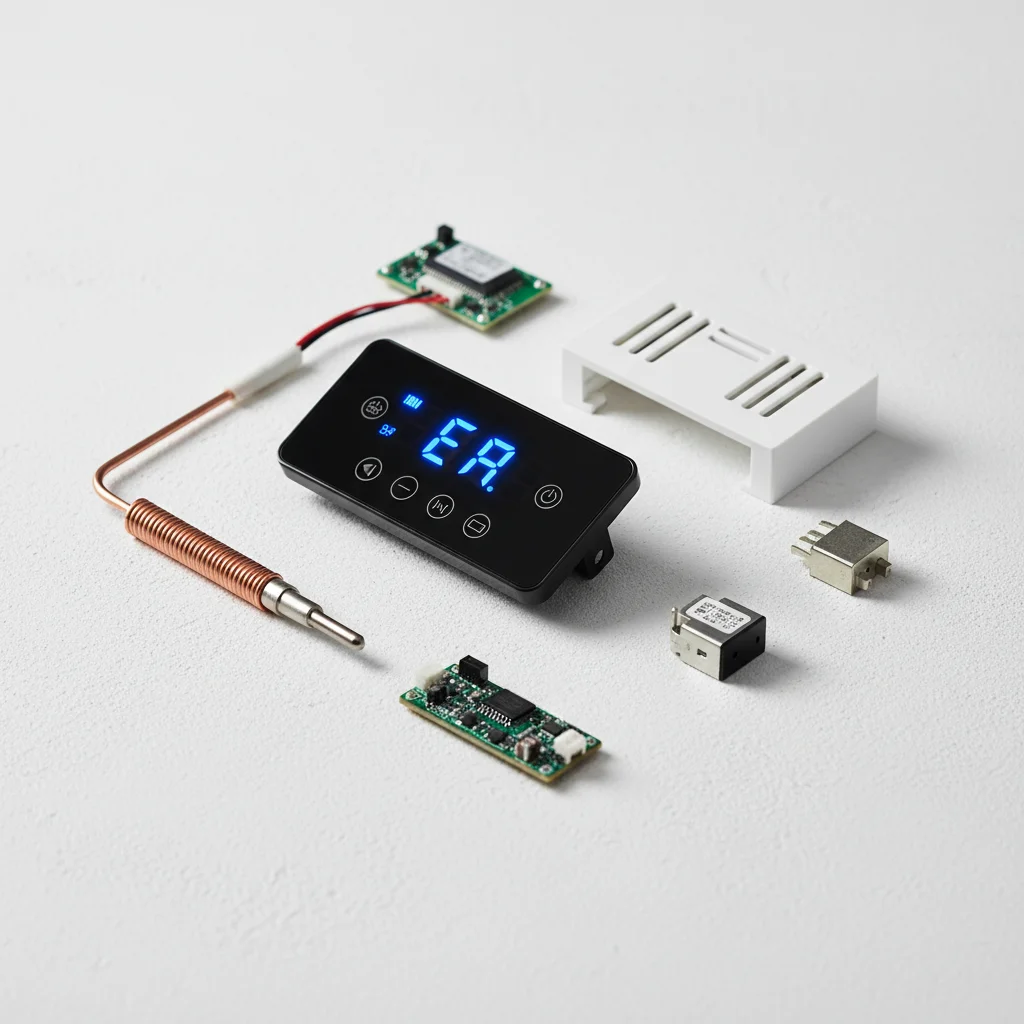
When a wine cooler thermostat isn’t working, the most common fix involves recalibrating or replacing the temperature sensor, which typically costs between $50 and $150 for parts and labor. A malfunctioning thermostat can lead to inconsistent temperatures, jeopardizing your wine collection by exposing it to conditions outside the optimal 50-59°F range. Understanding the underlying causes and potential solutions can help you diagnose and resolve the issue efficiently.
Common Causes of Thermostat Malfunctions
Several factors can contribute to a wine cooler thermostat failing. One frequent culprit is a faulty temperature sensor, which sends inaccurate readings to the control board. This can result from wear and tear over time, or even minor electrical surges. Another common issue is a loose or corroded wire connection to the thermostat or control board, preventing proper communication. Less frequently, the control board itself might be defective, misinterpreting or failing to act on the thermostat’s signals.
Troubleshooting Steps for a Faulty Thermostat
Before calling a technician, there are several troubleshooting steps you can take. First, unplug the wine cooler for at least 15 minutes to reset the system; sometimes, a simple power cycle can resolve minor electronic glitches. Next, visually inspect the thermostat and its wiring for any obvious signs of damage, such as frayed wires or corrosion. Ensure all connections are secure. You can also use a multimeter to test the continuity of the thermostat’s wiring if you are comfortable with basic electrical checks.
- Unplug and reset the wine cooler for 15 minutes.
- Inspect thermostat wiring for visible damage or loose connections.
- Clean any dust or debris around the thermostat sensor.
- Check the wine cooler’s manual for specific diagnostic codes.
- Consider replacing the temperature sensor as a first repair step.
Replacing the Temperature Sensor
|
Our Picks for the Best Wine Cooler in 2026
As an Amazon Associate I earn from qualifying purchases.
|
||
| Num | Product | Action |
|---|---|---|
| 1 | Ivation 12 Bottle Red And White Wine Thermoelectric Wine Cooler/Chiller Counter Top Wine Cellar with Digital Temperature Display, Freestanding Refrigerator Smoked Glass Door Quiet Operation Fridge |

|
| 2 | Ivation Premium Stainless Steel 8 Bottle Horizontal Thermoelectric Wine Cooler/Chiller Counter Top Red & White Wine Cellar w/Digital Temperature, Freestanding Refrigerator Quiet Operation Fridge |
|
| 3 | Cuisinart CWC-800CEN 8-Bottle Private Reserve Wine Cellar |
|
| 4 | Ivation Premium 6 Bottle Horizontal Thermoelectric Wine Cooler/Chiller Counter Top Red & White Wine Cellar w/Digital Temperature, Freestanding Refrigerator Quiet Operation Fridge |
|
| 5 | BLACK+DECKER BD60026 Wine Cellar with LED Display (8-Bottle Capacity) |
|
| 6 | BLACK+DECKER Wine Fridge 12 Bottles, Thermoelectric Wine Cooler Refrigerator with Mirrored Front, Freestanding 12 Bottle Wine Fridge, BD60336 |
|
| 7 | Wine Enthusiast 32-Bottle Dual Zone MAX Compressor Wine Cooler – Freestanding Mini Fridge with Digital Touchscreen, LED Display, Split Storage for Red & White Wines, Matte Black Refrigerator Home Bar |
|
| 8 | Ivation 12 Bottle Compressor Wine Cooler Refrigerator w/Lock, Large Freestanding Wine Cellar Fridge, 41f-64f Digital Temperature Control Glass Door Black |
|
| 9 | Wine Enthusiast 6-Bottle Countertop Wine Cooler – Compact Mini Fridge for Kitchen or Bedroom with 3 Shelves, Energy-Efficient Cooling, Adjustable Digital Temperature Control |
|
| 10 | BLACK+DECKER Wine Cooler 8 Bottle,Wine Fridge Thermoelectric with Mirrored Front,Freestanding Wine Cooler Refrigerator &LED Display,BD60326 |
|
If troubleshooting doesn’t resolve the issue, replacing the temperature sensor is often the next logical step. This component is relatively inexpensive and can be found at most appliance parts stores or online. The process typically involves locating the sensor inside the cooler, disconnecting its wires, and installing the new one. Always ensure the power is disconnected before attempting any repairs. Many manufacturers provide detailed instructions for sensor replacement in their service manuals.
When to Call a Professional
While many thermostat issues can be resolved with DIY methods, some situations warrant professional help. If you’ve replaced the sensor and the problem persists, or if you suspect a more complex issue with the control board or compressor, it’s best to consult a qualified appliance technician. They have specialized tools and expertise to accurately diagnose and repair intricate electrical components, ensuring the longevity and proper functioning of your wine cooler. A professional can also advise on preventative maintenance to avoid future issues.
Preventative Measures for Thermostat Longevity
To extend the life of your wine cooler’s thermostat and prevent future malfunctions, consider a few preventative measures. Regularly clean the interior of your wine cooler, ensuring no dust or debris accumulates around the sensor. Avoid placing the cooler in direct sunlight or near heat sources, as extreme temperature fluctuations can stress the thermostat. Ensure proper ventilation around the unit to prevent overheating, which can also impact electronic components. Periodically check the door seal to maintain consistent internal temperatures, reducing the workload on the thermostat.
Frequently Asked Questions
What is the most common reason a wine cooler thermostat fails?
The most common reason a wine cooler thermostat fails is a faulty temperature sensor. This component can wear out over time or be damaged by minor electrical surges, leading to inaccurate temperature readings and inconsistent cooling within the unit.
How much does it cost to fix a wine cooler thermostat?
Fixing a wine cooler thermostat, typically by recalibrating or replacing the sensor, usually costs between $50 and $150 for parts and labor. This cost can vary depending on the specific model and whether professional assistance is required.
Can I reset my wine cooler to fix thermostat issues?
Yes, you can often reset your wine cooler to fix minor thermostat issues by unplugging it for at least 15 minutes. This power cycle can resolve electronic glitches and restore proper function, making it a good first troubleshooting step.
When should I call a professional for wine cooler thermostat repair?
You should call a professional for wine cooler thermostat repair if you've replaced the sensor and the problem persists, or if you suspect a more complex issue with the control board or compressor. Qualified technicians have specialized tools and expertise for intricate electrical components.
What preventative measures can extend the life of a wine cooler thermostat?
To extend the life of a wine cooler thermostat, regularly clean the interior to prevent dust buildup around the sensor. Avoid placing the cooler in direct sunlight or near heat sources, ensure proper ventilation, and periodically check the door seal to maintain consistent internal temperatures.
Troubleshoot a Wine Cooler Thermostat
Follow these steps to diagnose and potentially fix a malfunctioning wine cooler thermostat before calling a professional.
Unplug your wine cooler from the power outlet for at least 15 minutes. This power cycle can often resolve minor electronic glitches that affect thermostat functionality.
Visually inspect the thermostat and its wiring for any signs of damage, such as frayed wires or corrosion. Ensure all connections to the thermostat and control board are secure and free of debris.
Carefully clean any dust or debris that may have accumulated around the thermostat sensor. Buildup can interfere with accurate temperature readings.
Consult your wine cooler's user manual for specific diagnostic codes or troubleshooting tips related to thermostat issues. Some models provide error codes that can pinpoint the problem.
If troubleshooting doesn't resolve the issue, consider replacing the temperature sensor. This component is often inexpensive and can be found at appliance parts stores, with instructions typically in the service manual.
Get our weekly buyer guide
Practical specs, not advice. Unsubscribe anytime.

My wine cooler’s thermostat was definitely off, and I was hoping for a quick fix. I checked the wire connections as suggested, and they seemed fine. I ended up having to call a technician anyway, and it cost me about $100 for parts and labor to replace the sensor. It wasn’t as easy as I hoped, but at least my wine is safe now.
Fantastic advice! My wine cooler was consistently running too warm, and I was really concerned about my more delicate bottles. I followed the troubleshooting steps for a faulty temperature sensor, and it was exactly the problem. The instructions were clear, and I was able to get it working perfectly again without any professional help. Highly recommend trying these fixes first.
This was super helpful! My cooler was showing weird readings, and I was worried about my collection. I tried the recalibration steps for the thermostat, and it seems to have done the trick. It took a little patience, but it was much better than paying for a service call right away. I’m glad I didn’t have to deal with replacing the whole control board.
I was so frustrated when my wine cooler started acting up, and the temperature was all over the place, definitely not in that 50-59°F sweet spot. I thought I’d have to buy a whole new unit. Luckily, I followed the advice here about checking the temperature sensor. It turned out to be a simple fix, and now my wines are perfectly chilled again. Saved me a ton of money!