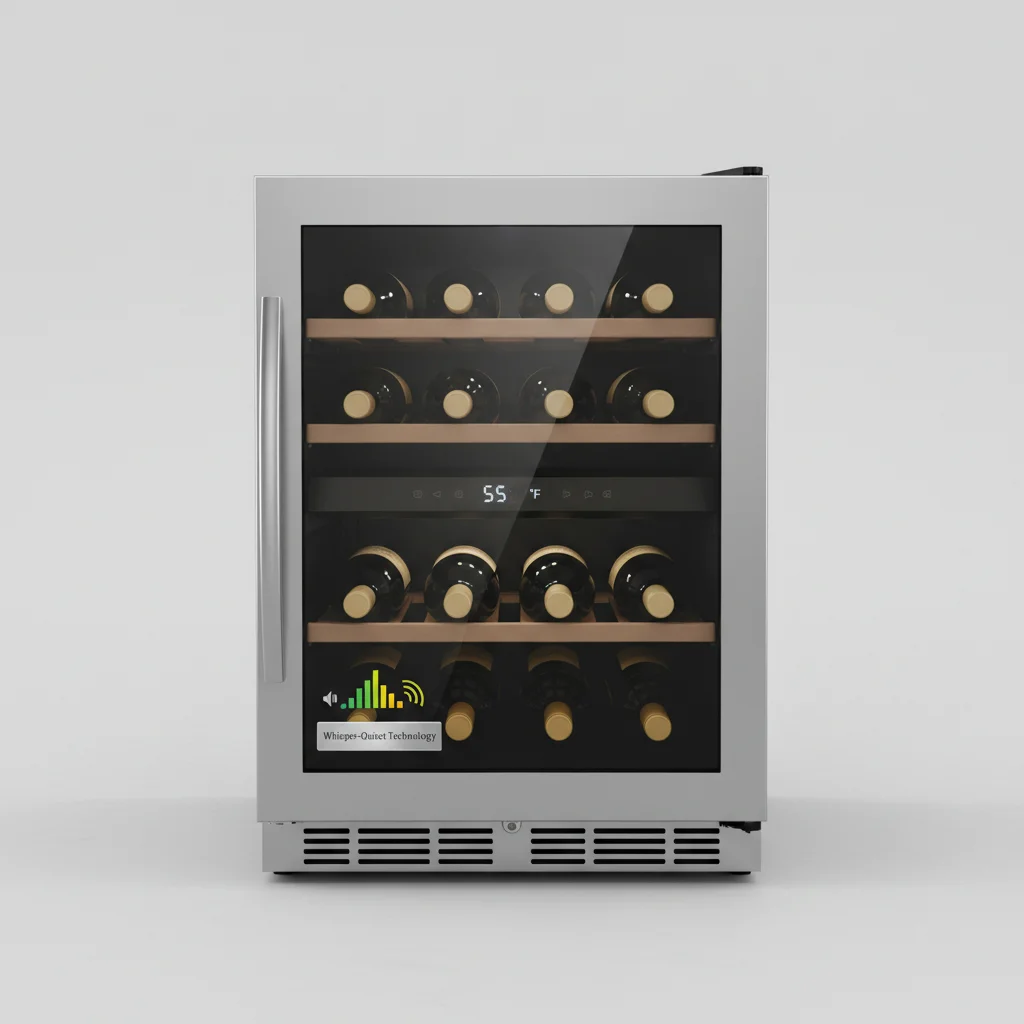
A wine cooler operating between 35-45 decibels (dB) is generally considered an acceptable noise level for most residential settings. This range is comparable to a quiet library or a soft whisper, ensuring your wine collection is preserved without disruptive background noise. Factors like compressor type, insulation, and placement significantly influence the actual sound output of your unit.
Understanding Decibel Ratings for Wine Coolers
Decibel (dB) is the standard unit for measuring sound intensity; lower ratings indicate quieter operation. A difference of 10 dB represents a tenfold increase or decrease in sound intensity, meaning a 30 dB wine cooler is significantly quieter than a 40 dB unit. Always check the manufacturer’s specifications for the decibel rating when purchasing, as this provides a clear indication of its potential noise output.
Thermoelectric wine coolers tend to be quieter than compressor-based models because they lack moving parts. However, thermoelectric units are generally less powerful and suitable for smaller capacities and less demanding cooling needs. Compressor-based units, while potentially noisier, offer more robust cooling and are better for larger collections and maintaining precise temperatures.
Common Sources of Wine Cooler Noise
Several components within a wine cooler can contribute to its overall noise level. The compressor is often the primary culprit, producing a humming or vibrating sound as it cycles on and off to maintain temperature. Fans, used to circulate air and cool the compressor, can also generate noise, especially if they become dirty or worn. Additionally, the refrigerant flowing through the system can sometimes create gurgling or bubbling sounds, which are usually normal but can be noticeable.
Other less common sources of noise include loose internal components, an uneven placement causing vibrations, or even the expansion and contraction of internal materials due to temperature changes. Identifying the specific type of noise can help in troubleshooting and determining if a repair or adjustment is needed. Regular maintenance, such as cleaning fan blades and ensuring the unit is level, can help mitigate some of these noise issues.
Factors Influencing Wine Cooler Noise
|
Our Picks for the Best Wine Cooler in 2026
As an Amazon Associate I earn from qualifying purchases.
|
||
| Num | Product | Action |
|---|---|---|
| 1 | Ivation 12 Bottle Compressor Wine Cooler Refrigerator w/Lock, Large Freestanding Wine Cellar Fridge, 41f-64f Digital Temperature Control Glass Door Black |

|
| 2 | BLACK+DECKER BD60026 Wine Cellar with LED Display (8-Bottle Capacity) |
|
| 3 | BLACK+DECKER Wine Cooler 8 Bottle,Wine Fridge Thermoelectric with Mirrored Front,Freestanding Wine Cooler Refrigerator &LED Display,BD60326 |
|
| 4 | Cuisinart CWC-800CEN 8-Bottle Private Reserve Wine Cellar |
|
| 5 | BLACK+DECKER Wine Fridge 12 Bottles, Thermoelectric Wine Cooler Refrigerator with Mirrored Front, Freestanding 12 Bottle Wine Fridge, BD60336 |
|
| 6 | Ivation Premium 6 Bottle Horizontal Thermoelectric Wine Cooler/Chiller Counter Top Red & White Wine Cellar w/Digital Temperature, Freestanding Refrigerator Quiet Operation Fridge |
|
| 7 | Wine Enthusiast 32-Bottle Dual Zone MAX Compressor Wine Cooler – Freestanding Mini Fridge with Digital Touchscreen, LED Display, Split Storage for Red & White Wines, Matte Black Refrigerator Home Bar |
|
| 8 | Wine Enthusiast 6-Bottle Countertop Wine Cooler – Compact Mini Fridge for Kitchen or Bedroom with 3 Shelves, Energy-Efficient Cooling, Adjustable Digital Temperature Control |
|
| 9 | Ivation Premium Stainless Steel 8 Bottle Horizontal Thermoelectric Wine Cooler/Chiller Counter Top Red & White Wine Cellar w/Digital Temperature, Freestanding Refrigerator Quiet Operation Fridge |
|
| 10 | Ivation 12 Bottle Red And White Wine Thermoelectric Wine Cooler/Chiller Counter Top Wine Cellar with Digital Temperature Display, Freestanding Refrigerator Smoked Glass Door Quiet Operation Fridge |
|
Beyond the internal components, several external factors can impact how loud your wine cooler seems. The placement of the unit is critical; placing it on a hard, resonant surface like a tile floor can amplify vibrations, while a carpeted area might absorb some sound. Ensuring adequate clearance around the unit for proper ventilation is also important, as restricted airflow can cause the compressor and fans to work harder and louder.
The age of the wine cooler can also play a role. Older units may have worn-out compressors or fans that produce more noise than newer, more efficient models. The quality of insulation and the overall build of the unit also contribute; higher-quality wine coolers often feature better sound dampening materials. Consider these aspects when evaluating a new purchase or troubleshooting an existing unit.
Tips for Reducing Wine Cooler Noise
If your wine cooler is producing excessive noise, there are several steps you can take to reduce it. First, ensure the unit is perfectly level. Use a spirit level and adjust the leveling feet as necessary. This can significantly reduce vibrations. Second, check that there is sufficient space around the cooler for proper ventilation, typically at least 2-3 inches on all sides and the top. This prevents the compressor from overheating and working harder.
- Clean the condenser coils regularly to improve efficiency and reduce compressor strain.
- Inspect fan blades for dust and debris, cleaning them gently if necessary.
- Place anti-vibration mats or rubber pads under the unit to absorb sound.
- Avoid placing the wine cooler directly against a wall or other furniture that can amplify sound.
- Consider replacing older, noisy components like fans or even the compressor if they are the primary source of the problem.
For persistent noise issues, especially if they are new or unusually loud, it may be beneficial to consult a professional technician. They can diagnose internal problems and recommend appropriate repairs.Sometimes, a simple adjustment or replacement of a minor part can make a significant difference in the overall noise level of your wine cooler, restoring peace to your home.
When to Consider a Quieter Wine Cooler Model
If your current wine cooler consistently exceeds acceptable noise levels despite troubleshooting, or if you are particularly sensitive to background noise, it might be time to consider upgrading to a quieter model. Many manufacturers now prioritize low-noise operation, especially for units designed for living areas or open-plan homes. Look for models specifically advertised with low decibel ratings, often below 40 dB.
Researching reviews and specifications for models that utilize advanced compressor technology, such as inverter compressors, can also lead to quieter options. These compressors adjust their speed rather than cycling on and off, resulting in more consistent and less disruptive operation.Investing in a quieter wine cooler can greatly enhance your home environment, allowing you to enjoy your wine collection without the distraction of constant humming or buzzing.
Frequently Asked Questions
What is an acceptable decibel level for a wine cooler?
An acceptable decibel level for a wine cooler in most residential settings is between 35-45 dB. This range is comparable to the sound of a quiet library or a soft whisper, ensuring minimal disruption.
Are thermoelectric wine coolers quieter than compressor models?
Yes, thermoelectric wine coolers generally operate more quietly than compressor-based models because they do not have moving parts like compressors. However, they are typically less powerful and better suited for smaller capacities.
What causes a wine cooler to make noise?
Common sources of wine cooler noise include the compressor cycling on and off, fans circulating air, and refrigerant flowing through the system, which can create gurgling sounds. Loose components or uneven placement can also contribute to noise.
How can I reduce the noise from my wine cooler?
To reduce wine cooler noise, ensure the unit is level, provide 2-3 inches of clearance for ventilation, and clean condenser coils and fan blades regularly. Placing anti-vibration mats under the unit can also help absorb sound.
When should I consider buying a quieter wine cooler model?
You should consider buying a quieter wine cooler model if your current unit consistently exceeds acceptable noise levels (above 45 dB) despite troubleshooting, or if you are sensitive to background noise. Look for models advertised with low decibel ratings, often below 40 dB.
How to Reduce Wine Cooler Noise
Follow these steps to minimize excessive noise from your wine cooler and maintain a peaceful home environment.
Ensure your wine cooler is perfectly level using a spirit level. Adjust the leveling feet as needed to prevent vibrations, which are a common source of noise.
Check that there is sufficient space around the cooler for proper airflow, typically at least 2-3 inches on all sides and the top. Restricted airflow can cause the compressor and fans to work harder and louder.
Regularly clean the condenser coils to improve efficiency and reduce compressor strain. Inspect fan blades for dust and debris, cleaning them gently if necessary to prevent noise from obstruction.
Place anti-vibration mats or rubber pads under the unit to absorb sound and reduce vibrations transmitted to the floor. Avoid placing the cooler directly against walls or furniture that can amplify noise.
For persistent or unusually loud noise issues, consult a professional technician. They can diagnose internal problems, such as worn-out components, and recommend appropriate repairs or replacements.
Get our weekly buyer guide
Practical specs, not advice. Unsubscribe anytime.

I was so worried about getting a noisy wine cooler, especially since my living room is open concept. This guide really helped me understand the decibel ratings. I ended up getting a unit rated at 38 dB, and it’s practically silent, just like a soft whisper. My wines are chilling perfectly without any annoying hum.
This was super helpful! I never really understood what the decibel numbers meant beyond ‘lower is better’. Knowing that a 30 dB unit is significantly quieter than a 40 dB one made a huge difference in my decision. I invested in a really low dB model and I’m so glad I did; it’s practically unnoticeable.
I bought a thermoelectric cooler specifically because it said they tend to be quieter, but mine still makes a noticeable hum. It’s probably around 45 dB, which is okay, but I was hoping for something even less intrusive. It does keep my reds at a good temp though, so it’s not a total loss.
Good info here. I’ve had a few coolers over the years and noise has always been a factor. My current one is a compressor model and it’s around 42 dB. It’s not totally silent, but it’s definitely within that acceptable range mentioned, like a quiet library. I appreciate knowing what to look for next time.