Investing in a wine cooler is more than just buying another appliance; it’s about safeguarding your cherished wine collection, ensuring each bottle matures gracefully and is ready to be enjoyed at its peak. However, a common question arises for every wine enthusiast: how long can I expect my wine cooler to last? Understanding the lifespan of these specialized appliances, and what truly influences their durability, is essential for making an informed purchase and ensuring years of reliable service. This guide delves into everything you need to know about wine cooler longevity, offering insights into types, maintenance, and what to look for in 2026 to maximize your investment.
What is a Wine Cooler and Why Do You Need One?
A wine cooler, often referred to as a wine fridge, is a dedicated appliance designed to provide optimal storage conditions for wine. Unlike a standard kitchen refrigerator, which maintains colder temperatures and lower humidity ideal for food, a wine cooler creates an environment specifically tailored to wine preservation. It typically offers a stable temperature range (usually between 45-65°F or 7-18°C), controlled humidity levels, protection from harmful UV light through tinted glass doors, and minimal vibrations, all of which are crucial for preventing premature aging, cork drying, and sediment disturbance. Without a wine cooler, your precious bottles risk exposure to inconsistent temperatures, fluctuating humidity, and damaging light, all of which can rapidly degrade their quality and taste.
Understanding Wine Cooler Lifespan: What to Expect
The average lifespan of a good-quality wine cooler generally ranges from 10 to 15 years. This durability, however, isn’t a guaranteed figure; it’s a benchmark influenced by a variety of factors, including the initial build quality, how frequently the unit is used, and the environment it operates in. High-end wine coolers, often constructed with superior materials and more robust components, are naturally designed to endure longer, potentially exceeding this average. Conversely, more budget-friendly models might have a shorter lifespan, possibly requiring more frequent repairs or an earlier replacement. It’s also worth noting that specialized wine aging cabinets, which are designed for long-term maturation rather than frequent access, may sometimes last longer due to their typically higher-grade components and less frequent door openings.
Deconstructing Lifespan: Compressor vs. Thermoelectric Wine Coolers
The core technology behind your wine cooler plays a significant role in its expected longevity and performance. There are two primary cooling mechanisms: compressor-based and thermoelectric. Each offers distinct advantages and disadvantages that impact their operational lifespan.
Compressor Wine Coolers
|
Our Picks for the Best Wine Cooler in 2026
As an Amazon Associate I earn from qualifying purchases.
|
||
| Num | Product | Action |
|---|---|---|
| 1 | Ivation Premium Stainless Steel 8 Bottle Horizontal Thermoelectric Wine Cooler/Chiller Counter Top Red & White Wine Cellar w/Digital Temperature, Freestanding Refrigerator Quiet Operation Fridge |

|
| 2 | Wine Enthusiast 6-Bottle Countertop Wine Cooler – Compact Mini Fridge for Kitchen or Bedroom with 3 Shelves, Energy-Efficient Cooling, Adjustable Digital Temperature Control |
|
| 3 | BLACK+DECKER Wine Cooler 8 Bottle,Wine Fridge Thermoelectric with Mirrored Front,Freestanding Wine Cooler Refrigerator &LED Display,BD60326 |
|
| 4 | Wine Enthusiast 32-Bottle Dual Zone MAX Compressor Wine Cooler – Freestanding Mini Fridge with Digital Touchscreen, LED Display, Split Storage for Red & White Wines, Matte Black Refrigerator Home Bar |
|
| 5 | Ivation 12 Bottle Compressor Wine Cooler Refrigerator w/Lock, Large Freestanding Wine Cellar Fridge, 41f-64f Digital Temperature Control Glass Door Black |
|
| 6 | BLACK+DECKER Wine Fridge 12 Bottles, Thermoelectric Wine Cooler Refrigerator with Mirrored Front, Freestanding 12 Bottle Wine Fridge, BD60336 |
|
| 7 | Ivation Premium 6 Bottle Horizontal Thermoelectric Wine Cooler/Chiller Counter Top Red & White Wine Cellar w/Digital Temperature, Freestanding Refrigerator Quiet Operation Fridge |
|
| 8 | BLACK+DECKER BD60026 Wine Cellar with LED Display (8-Bottle Capacity) |
|
| 9 | Cuisinart CWC-800CEN 8-Bottle Private Reserve Wine Cellar |
|
| 10 | Ivation 12 Bottle Red And White Wine Thermoelectric Wine Cooler/Chiller Counter Top Wine Cellar with Digital Temperature Display, Freestanding Refrigerator Smoked Glass Door Quiet Operation Fridge |
|
Compressor wine coolers operate much like a standard refrigerator, using a refrigerant and a compressor to cool the internal cabinet. This mechanism allows them to achieve a wider temperature range and maintain consistent temperatures more effectively, even in environments with fluctuating ambient temperatures. They are generally more powerful, making them suitable for larger wine collections and dual-zone models that require different temperatures for red and white wines. Thanks to their robust design and efficient cooling cycle, compressor units typically boast a longer lifespan, often lasting between 10 to 15 years. While they might produce a low to moderate level of noise and some vibration, modern designs have significantly reduced these factors.
Thermoelectric Wine Coolers
Thermoelectric wine coolers utilize the Peltier effect, a solid-state technology that transfers heat without moving parts or refrigerants. This results in virtually silent operation and minimal vibration, making them ideal for quiet living spaces like bedrooms or offices. Thermoelectric units are typically smaller in capacity, making them a great choice for beginners or those with a modest collection of 12-24 bottles. However, their cooling efficiency is highly dependent on the ambient temperature, meaning they struggle in warmer climates or hot rooms. Due to their continuous operation and sensitivity to external conditions, thermoelectric wine coolers generally have a shorter lifespan, averaging around 5 to 8 years.
Factors That Significantly Impact Your Wine Cooler’s Longevity
While the type of cooling system is foundational, many other elements contribute to how long your wine cooler will reliably serve you. Understanding these factors can empower you to make smarter choices both at purchase and throughout the unit’s operational life.
Quality and Brand Reputation
The initial investment in a wine cooler is often a good indicator of its potential lifespan. High-quality models from reputable brands typically use more durable components, superior insulation, and better-engineered cooling systems, all contributing to extended longevity. These manufacturers often back their products with better warranties and customer support, reflecting their confidence in the appliance’s durability. Opting for a cheaper, no-name brand might save money upfront, but it often leads to more frequent repairs and a shorter overall service life.
Placement and Environment
Where you place your wine cooler dramatically affects its efficiency and lifespan. Avoid locations with direct sunlight, near heat-emitting appliances like ovens or dishwashers, or in areas with extreme temperature fluctuations, such as garages or uninsulated basements, unless the unit is specifically rated for such conditions. High ambient temperatures force the cooler’s compressor or thermoelectric module to work harder and more frequently, leading to premature wear. Adequate ventilation is also crucial. For freestanding units, ensure at least 2-3 inches of clearance around the back and sides. Built-in models require precise recess dimensions and proper venting to expel heat effectively. Blocking these vents can cause the unit to overheat, straining its components and shortening its life.
Usage Habits
How you interact with your wine cooler daily plays a direct role in its longevity. Frequent door openings allow warm air and humidity to rush in, forcing the cooling system to cycle more often to restore ideal conditions. Similarly, constantly adjusting temperature settings puts undue stress on the internal mechanisms. Overloading the wine cooler, or obstructing internal airflow by cramming in too many bottles, also makes the unit work harder than necessary, impacting its efficiency and potentially reducing its lifespan. Gentle handling of the door and shelves also prevents wear and tear on critical components like hinges and door seals.
Installation Quality
Proper installation is a foundational step for ensuring your wine cooler operates efficiently and lasts its full expected lifespan. This includes connecting the unit to a grounded electrical outlet to prevent electrical damage and placing it on a stable, level surface. Uneven surfaces can cause vibrations that stress the cooling system and potentially disturb wine sediment. Always adhere to the manufacturer’s specific installation requirements regarding clearance, power supply, and ambient temperature ranges, as these guidelines are designed to optimize performance and prevent early failure.
Essential Maintenance Practices to Extend Your Wine Cooler’s Life
Just like any other valuable appliance, a wine cooler benefits immensely from regular care and attention. Consistent maintenance can significantly prolong its life, ensure optimal performance, and protect your precious wine collection.
Regular Cleaning Routines
Dust and debris are common culprits that impede a wine cooler’s efficiency. The condenser coils, typically located at the back or bottom of compressor units, should be cleaned every 3-6 months. Use a soft brush or vacuum attachment to remove accumulated dust, which allows the coils to dissipate heat effectively. Neglecting this can lead to the compressor overworking and eventually failing. Annually, empty the wine cooler and clean the interior walls, shelves, and door seals with a soft cloth and a mild solution, such as diluted white vinegar and water, to prevent mold and odors. Wipe down the exterior and vents monthly to ensure unobstructed airflow.
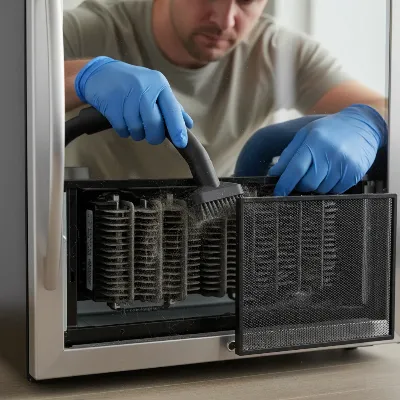 A person cleaning the condenser coils of a wine cooler with a vacuum attachment
Inspecting Door Seals and Gaskets
The door gasket creates an airtight seal that traps cold air inside the cooler and keeps external humidity out. Over time, these seals can harden, crack, or become loose, leading to air leaks. Regularly inspect the door gasket for any signs of wear, tears, or deformation. A simple test involves closing the door on a piece of paper; if you can easily pull the paper out, the seal might be compromised. Clean the gasket gently with a damp cloth to maintain its flexibility and sealing ability. A faulty seal makes the cooling system work harder, reducing efficiency and shortening its lifespan. If a seal is damaged, it should be replaced by a technician promptly.
Humidity and Temperature Management
Maintaining the ideal internal environment is critical for both your wine and your cooler’s longevity. While most wine coolers are designed to automatically regulate humidity, consistently check that levels remain between 50-70% relative humidity. If the air in your room is very dry, you might need to place a small container of distilled water inside to help maintain optimal humidity. Avoid frequent or drastic temperature adjustments, as this puts stress on the cooling system. Set your desired temperature and try to keep it stable. Furthermore, avoid overloading the unit; while it might be tempting to fill every available space, proper airflow inside the cabinet is essential for efficient cooling and consistent temperatures.
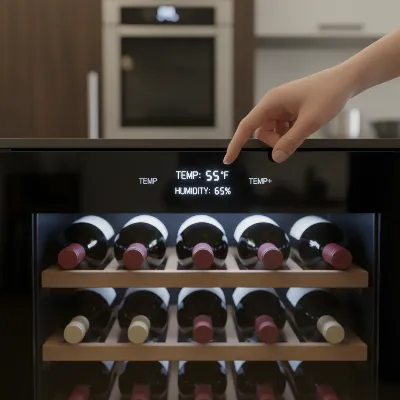 A hand adjusting the digital temperature and humidity display on a sleek, modern wine cooler
Professional Servicing
Even with diligent personal maintenance, periodic professional servicing can significantly extend your wine cooler’s life. A qualified technician can perform deeper diagnostics, check refrigerant levels (for compressor units), inspect electrical components, and identify potential issues before they escalate into costly breakdowns. Scheduling a professional inspection every few years can catch problems early, ensuring your unit operates at peak efficiency and providing peace of mind, especially for high-value wine collections or premium coolers.
Table: Comparing Wine Cooler Types and Their Longevity Factors
Choosing the right wine cooler involves understanding the trade-offs between different cooling technologies and their expected lifespan. This table provides a quick overview to help you decide.
| Feature | Compressor Wine Cooler | Thermoelectric Wine Cooler |
|---|---|---|
| Cooling Mechanism | Refrigerant, compressor cycles on/off | Peltier effect, continuous operation |
| Average Lifespan | 10-15 years | 5-8 years |
| Temperature Control | Wide range (40-65°F), very stable, less affected by ambient temperature | Limited range (typically 50-66°F), sensitive to ambient temperature |
| Capacity | Small to very large (up to hundreds of bottles) | Primarily small (1-48 bottles) |
| Noise & Vibration | Low to moderate noise, some vibration | Virtually silent, no vibration |
| Energy Efficiency | More efficient in varied climates, intermittent operation | More efficient in mild climates, runs continuously, higher long-term energy draw |
| Initial Cost | Higher | Lower |
| Maintenance Needs | Cleaning coils, checking refrigerant (professional service) | Replacing thermoelectric module/fans, general cleaning |
| Ideal Use | Long-term storage, large collections, varied environments, dual zones | Short-term, small collections, quiet areas, mild climates, serving temperature |
Investing in Longevity: Key Considerations When Buying a Wine Cooler
When you’re ready to purchase a wine cooler, focusing on certain features and aspects can significantly influence how long the appliance will last and how well it will perform. Think of it as investing in the future of your wine collection.
Construction Quality and Materials
Look for models built with robust materials, such as sturdy shelving (often metal or solid wood rather than flimsy plastic), tempered glass doors with good seals, and a well-insulated cabinet. High-grade compressors and fans in compressor-based units are indicative of better durability. Pay attention to the overall fit and finish; a solid, well-constructed unit often translates to a longer lifespan and fewer issues down the road.
Capacity Needs
Accurately assess your current and future wine collection size. An undersized cooler will constantly be running at its maximum capacity, leading to premature wear and tear. Conversely, an oversized unit might be an unnecessary expense if you only have a few bottles. Choosing a cooler with a capacity that comfortably accommodates your collection, allowing for good airflow around bottles, is vital for efficiency and longevity. Remember that published capacities can sometimes be optimistic, especially for larger or unusually shaped bottles.
Temperature Range and Stability
The primary function of a wine cooler is temperature control. Ensure the unit offers a consistent and precise temperature range suitable for the types of wine you plan to store. For red wines, 55-65°F (13-18°C) is common, while white wines prefer 45-55°F (7-13°C). Look for models with accurate digital thermostats and good insulation that minimize temperature fluctuations, as these variations stress the cooling system. Dual-zone coolers are excellent for simultaneously storing different wine types at their ideal temperatures.
Noise Level
While perhaps not directly related to lifespan, noise can impact your satisfaction with the unit. Thermoelectric coolers are virtually silent, making them suitable for living areas. Compressor units, though quieter than in the past, still produce some operational noise. Consider where the cooler will be placed; if it’s in a main living space, a quieter model will be a better long-term choice for your comfort.
Energy Efficiency
An energy-efficient wine cooler not only saves on electricity bills but also often indicates a well-designed and optimized cooling system, which can contribute to a longer lifespan. Look for ENERGY STAR certified models, as these meet strict guidelines for energy efficiency. Features like good insulation, UV-protected glass, and efficient compressors all help reduce energy consumption.
Design and Features
Beyond basic functionality, consider features that enhance usability and protection. UV-resistant glass doors shield wines from harmful light. Integrated locks provide security for valuable collections. Internal LED lighting illuminates your bottles without emitting heat. Reversible door hinges can offer more flexible placement options. While these features might add to the initial cost, they can improve the overall ownership experience and contribute to the cooler’s effective use over its lifespan.
Warranty and Customer Support
A comprehensive warranty is a strong indicator of a manufacturer’s confidence in their product’s durability. Look for warranties that cover both parts and labor for a reasonable period, especially on critical components like the compressor. Accessible and responsive customer support can also be invaluable for troubleshooting issues and ensuring timely repairs or replacements, further protecting your investment.
Conclusion
A well-chosen and properly maintained wine cooler can be a lasting cornerstone of your wine appreciation, faithfully preserving your collection for a decade or even more. The average lifespan of 10 to 15 years for compressor models, and 5 to 8 years for thermoelectric units, is a solid guideline, but this longevity is largely within your control. By understanding the critical role of quality, environment, and consistent maintenance—from regular cleaning to mindful usage—you empower yourself to maximize your wine cooler’s performance and significantly extend its service life. With the right care, your wine cooler will continue to be a silent guardian, ensuring every bottle you open is exactly as the vintner intended.
What steps will you take today to ensure your wine cooler stands the test of time?
Câu Hỏi Thường Gặp
What are the signs my wine cooler is failing?
Common signs include unusual noises, inability to maintain the set temperature (fluctuations or staying too warm), excessive frost buildup, the unit running constantly, or a damaged door seal. Addressing these early can often prevent more serious issues.
Can I repair my wine cooler myself?
Minor issues like cleaning condenser coils or replacing a faulty door gasket can often be handled by a handy individual. However, complex problems involving the compressor, refrigerant, or electrical systems typically require a certified technician to ensure safety and proper functionality.
How often should I clean my wine cooler?
It’s recommended to clean condenser coils every 3-6 months and wipe down the interior and exterior surfaces monthly. A thorough internal cleaning with a mild solution should be done annually to prevent mold and odors, ensuring optimal hygiene and performance.
Does ambient temperature affect my wine cooler’s lifespan?
Absolutely. High ambient temperatures force the cooling system to work harder, accelerating wear and tear. This is particularly true for thermoelectric models, which are more sensitive to external heat. Proper placement in a cool environment is crucial for extending your Wine Cooler’s life.
Is it worth repairing an old wine cooler?
The decision to repair or replace depends on the unit’s age, the cost of the repair, and the overall condition. If the cooler is nearing the end of its expected lifespan (e.g., 8-10+ years for compressor models, 4-6+ for thermoelectric) and the repair cost is significant, investing in a new, more efficient model might be more cost-effective in the long run.