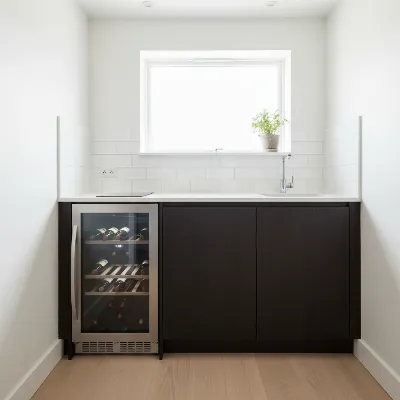
For wine enthusiasts, whether you’re building a collection or simply enjoying a few bottles, the right storage is paramount. A dedicated wine cooler, often called a wine refrigerator or fridge, offers the controlled environment necessary to preserve your wine’s delicate flavors and aromas. But as you navigate the options, a fundamental decision emerges: should you choose a freestanding or a built-in model? This guide will cut through the complexities, offering clarity on the best choice for your home, lifestyle, and precious wine collection in 2026.
What is a Wine Cooler? Why Do You Need One?
A wine cooler is a specialized appliance designed to store wine under optimal conditions, vastly superior to a standard kitchen refrigerator. Unlike regular fridges that operate at lower temperatures and fluctuate with frequent door openings, wine coolers maintain a consistent temperature and humidity. This precision prevents premature aging, preserves complex notes, and safeguards cork integrity, protecting your investment.
These specialized units shield wine from harmful elements like excessive light, inconsistent temperatures, and damaging vibrations. They ensure your reds, whites, and sparkling wines are always ready to be enjoyed at their ideal serving or cellaring temperatures. From compact models to expansive cellars, wine coolers offer a tailored solution for every collector.
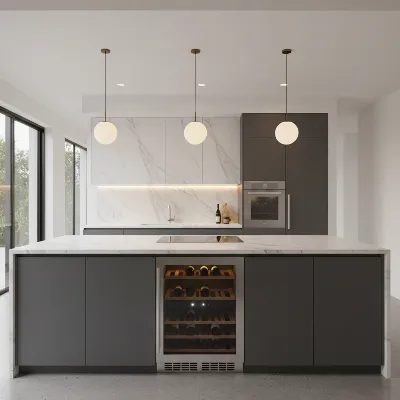 Modern kitchen with an integrated built-in wine cooler blending seamlessly into the cabinetry, showcasing various wine bottles.
Types of Wine Coolers: Which One Is Right for You?
The world of wine coolers offers a variety of choices, each designed to meet different needs and aesthetic preferences. Understanding these classifications is the first step toward making an informed decision for your wine storage.
By Size and Capacity
Wine coolers come in diverse sizes, measured by their bottle capacity, typically assuming standard 750ml bottles.
- Mini Wine Coolers (under 20 bottles): These compact units are ideal for small collections, occasional drinkers, or as a secondary cooler for frequently consumed bottles. They often fit on countertops or tucked into small spaces.
- Medium Wine Coolers (20-50 bottles): This range hits a sweet spot for many hobbyists, offering sufficient space for a rotating collection without dominating a room. They are perfect for those who buy wine by the case.
- Large Wine Coolers (over 50 bottles): Designed for serious collectors or avid entertainers, these are substantial units that often become a focal point. Some can hold hundreds of bottles and require a dedicated space, akin to a small wine cellar.
|
Our Picks for the Best Wine Cooler in 2026
As an Amazon Associate I earn from qualifying purchases.
|
||
| Num | Product | Action |
|---|---|---|
| 1 | Ivation Premium 6 Bottle Horizontal Thermoelectric Wine Cooler/Chiller Counter Top Red & White Wine Cellar w/Digital Temperature, Freestanding Refrigerator Quiet Operation Fridge |

|
| 2 | Cuisinart CWC-800CEN 8-Bottle Private Reserve Wine Cellar |
|
| 3 | Wine Enthusiast 32-Bottle Dual Zone MAX Compressor Wine Cooler – Freestanding Mini Fridge with Digital Touchscreen, LED Display, Split Storage for Red & White Wines, Matte Black Refrigerator Home Bar |
|
| 4 | Wine Enthusiast 6-Bottle Countertop Wine Cooler – Compact Mini Fridge for Kitchen or Bedroom with 3 Shelves, Energy-Efficient Cooling, Adjustable Digital Temperature Control |
|
| 5 | BLACK+DECKER Wine Fridge 12 Bottles, Thermoelectric Wine Cooler Refrigerator with Mirrored Front, Freestanding 12 Bottle Wine Fridge, BD60336 |
|
| 6 | Ivation Premium Stainless Steel 8 Bottle Horizontal Thermoelectric Wine Cooler/Chiller Counter Top Red & White Wine Cellar w/Digital Temperature, Freestanding Refrigerator Quiet Operation Fridge |
|
| 7 | Ivation 12 Bottle Compressor Wine Cooler Refrigerator w/Lock, Large Freestanding Wine Cellar Fridge, 41f-64f Digital Temperature Control Glass Door Black |
|
| 8 | BLACK+DECKER BD60026 Wine Cellar with LED Display (8-Bottle Capacity) |
|
| 9 | Ivation 12 Bottle Red And White Wine Thermoelectric Wine Cooler/Chiller Counter Top Wine Cellar with Digital Temperature Display, Freestanding Refrigerator Smoked Glass Door Quiet Operation Fridge |
|
| 10 | BLACK+DECKER Wine Cooler 8 Bottle,Wine Fridge Thermoelectric with Mirrored Front,Freestanding Wine Cooler Refrigerator &LED Display,BD60326 |
|
By Cooling Mechanism
The heart of any wine cooler is its cooling system, dictating its performance, noise levels, and energy efficiency.
- Compressor Wine Coolers: These operate much like a standard refrigerator, using a compressor and refrigerant gas. Compressor units are powerful, capable of reaching lower temperatures, and maintaining stable conditions even in warmer ambient environments like a garage. They are best for larger collections and long-term cellaring, though they can be heavier and produce a slight hum or vibration, which high-quality models mitigate with rubber shock pads.
- Thermoelectric Wine Coolers: Utilizing the Peltier effect, these solid-state units transfer heat without refrigerants or mechanical compressors. Thermoelectric coolers are prized for their virtually silent operation and vibration-free performance, making them excellent for quiet living spaces. However, they have limited cooling power, typically only cooling about 20°F below the ambient room temperature, and are best suited for smaller collections in climate-controlled environments.
By Style: Freestanding vs. Built-In
This is where the core decision lies, impacting your home’s aesthetic and your flexibility.
- Freestanding Wine Coolers: These are standalone units designed for placement anywhere with adequate ventilation and a power outlet. They feature finished sides and typically vent from the rear or sides, requiring several inches of clearance. Freestanding models offer unparalleled flexibility, easy installation (often plug-and-play), and are generally more affordable. They are perfect for renters, those who frequently rearrange their space, or collectors desiring a portable solution. However, they may not integrate as seamlessly into existing cabinetry.
- Built-In Wine Coolers: Also known as undercounter or integrated models, these units are specifically designed to be installed flush with cabinetry, under counters, or into walls. They feature front ventilation, allowing heat to escape without compromising surrounding structures. Built-in coolers provide a sleek, custom-kitchen look, saving floor space and enhancing aesthetics. While they often come with a higher initial cost and may require professional installation, they can be more energy-efficient long-term due to better insulation within an enclosed space. Once installed, their placement is less flexible.
Comparison Table of Wine Coolers
Choosing between the various types often comes down to a detailed comparison of their attributes. This table highlights key differences to help you decide.
| Feature | Freestanding Wine Cooler | Built-In Wine Cooler | Compressor Cooling | Thermoelectric Cooling |
|---|---|---|---|---|
| Placement | Anywhere with clearance (rear/side vent) | Integrated into cabinetry/undercounter (front vent) | Any environment | Climate-controlled room (sensitive to ambient temps) |
| Installation | Easy, plug-and-play, no professional help usually needed | Requires precise measurements, potential professional help | Standard (depending on unit type) | Standard (depending on unit type) |
| Aesthetics | Standalone appliance, may not blend seamlessly | Seamless, sleek, custom look | Varies by unit design | Varies by unit design |
| Flexibility | Highly portable, easy to move | Permanent installation, difficult to move | High power for stable temperatures | Limited cooling power |
| Cost | Generally lower initial purchase price | Higher initial cost (unit + installation) | Often higher, especially for larger units | Generally lower, suitable for smaller units |
| Ventilation | Rear or side, needs ample clearance | Front, allows flush installation | Depends on unit’s design | Requires good airflow, usually rear |
| Noise | Can vary, some models may be louder | Often quieter due to enclosure, or similar to compressor | Can be louder, some vibration (minimized in good models) | Virtually silent, no vibrations |
| Capacity | Wide range, often larger models available | Typically smaller to medium, fits standard cabinet sizes | Excellent for large collections | Best for small collections (under 30 bottles) |
| Energy Efficiency | Varies, depends on model and placement | Can be more efficient due to insulation and enclosure | Generally efficient, stable performance | Efficient in stable ambient temperatures, less so in warm |
| Best For | Renters, large collections, flexible layouts, budget-conscious | Custom kitchens, high-end design, space-saving | Long-term storage, diverse climates, larger collections | Short-term storage, quiet spaces, small collections, eco-conscious |
Factors to Consider When Buying a Wine Cooler
Selecting the ideal wine cooler is a personal journey, influenced by your collection, space, and preferences. Here’s a comprehensive buying guide to help you.
Capacity and Quantity of Bottles
Always consider not just your current collection, but also its potential growth. Experts often recommend buying a cooler with at least 25% more capacity than you currently need. This foresight prevents the immediate need for an upgrade as your collection naturally expands.
Temperature Range and Control Capability
The ideal storage temperature for all wines is around 55°F (13°C), but serving temperatures vary. Red wines are typically served warmer (60-68°F), while whites and sparkling wines prefer colder temperatures (45-50°F).
- Single-Zone: Maintains one uniform temperature, suitable if you primarily store one type of wine.
- Dual-Zone: Features two distinct compartments with independent temperature controls, perfect for storing reds and whites at their optimal temperatures simultaneously. Some advanced units offer multi-zone capabilities for even greater flexibility.
Noise Level
The hum of an appliance can be a significant factor, especially in open-plan living spaces. Thermoelectric coolers are notably quiet due to their lack of moving parts. Compressor models have become much quieter over the years, but it’s wise to check decibel ratings and read reviews, particularly if the cooler will be in a quiet area.
Energy Efficiency
An energy-efficient wine cooler saves money and reduces your environmental footprint. Look for models with good insulation, LED lighting (which produces less heat), and frequency-controlled inverter compressors that adjust power based on demand. Proper placement, away from direct sunlight and heat sources, also contributes significantly to efficiency.
Design and Style
Your wine cooler should complement your home’s aesthetic. Freestanding units offer a variety of finishes, from classic black to stainless steel, often with glass doors to showcase your collection. Built-in models allow for seamless integration, often hidden behind custom cabinetry panels or featuring sleek stainless steel and glass fronts that match other kitchen appliances. Consider the door swing and shelving material (wood shelves are often preferred for vibration dampening and aesthetic appeal).
Additional Features
Modern wine coolers come with an array of features that can enhance convenience and protection.
- UV-Protected Glass Doors: Essential for shielding wine from harmful UV rays that can cause premature aging.
- Humidity Control: Maintaining 50-70% humidity prevents corks from drying out and allowing oxidation.
- Vibration Reduction: Features like sturdy shelving, rubber-mounted compressors, and advanced insulation minimize vibrations that can disturb wine sediment.
- Security Locks: Useful for protecting valuable collections or in homes with children.
- Interior Lighting: LED lights are energy-efficient and illuminate your collection without generating harmful heat.
Budget
Wine coolers range widely in price. Freestanding models are generally more budget-friendly and offer a great entry point. Built-in units, due to their specialized design and often higher-end finishes, tend to be a greater investment, especially when factoring in potential installation costs. Determine your budget early, but remember that a higher upfront cost for quality often translates to better performance and longevity.
> “Choosing a wine cooler is about more than just temperature; it’s about creating a micro-environment that respects the delicate balance of the wine. Consider it an investment in every bottle’s future.” – Ava Sterling, Certified Sommelier & Wine Storage Consultant
Top Wine Coolers Recommended for 2026
While specific model recommendations can quickly become outdated, we can highlight the types of wine coolers that consistently earn high praise for various needs in 2026. Top-tier brands known for reliability include EuroCave, Liebherr, and Sub-Zero for high-end integrated solutions, while brands like Allavino, KingsBottle, and Zephyr offer excellent options across both freestanding and built-in categories.
For built-in models, look for units offering dual-zone cooling, sleek stainless steel or black glass finishes, and front-venting systems that fit standard 24-inch cabinet widths. These often feature advanced compressor technology for stable temperatures and low vibration.
For freestanding models, popular choices frequently include those with flexible shelving, UV-protected glass doors, and capacities ranging from 30 to over 100 bottles. Many feature versatile designs that fit well in dining rooms, home bars, or even larger pantries, providing ease of placement without compromising on wine preservation. Consider options with quiet compressor systems or, for smaller collections in very stable environments, high-quality thermoelectric units.
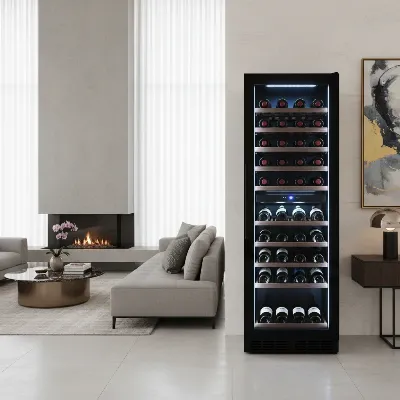 Elegant freestanding wine cooler in a modern living room, showcasing a visible wine collection behind a glass door.
How to Use and Maintain Your Wine Cooler Correctly
Proper use and regular maintenance are crucial for extending the life of your wine cooler and ensuring your wines are always perfectly preserved.
How to Install and Adjust Temperature
- Placement: For freestanding units, ensure sufficient clearance (at least 3 inches) around the sides and rear for proper ventilation. Built-in units must have clear front ventilation. Avoid placing the cooler in direct sunlight or near heat sources like ovens.
- Leveling: Use the adjustable feet to ensure the cooler is perfectly level. This is vital for proper door sealing and efficient operation.
- Initial Setup: After plugging in, allow the unit to sit for a few hours before loading wine. This lets the refrigerant settle.
- Temperature Setting: Use the digital controls to set your desired temperatures. For dual-zone units, set the lower zone for whites/sparkling (around 45°F) and the upper zone for reds (around 60°F).
How to Arrange Wine Bottles in the Cooler
- Horizontal Storage: Most wine coolers store bottles horizontally, which helps keep the cork moist and prevents air from entering the bottle, safeguarding against oxidation.
- Maximize Space: Utilize all available shelving. Many units have adjustable or removable shelves to accommodate different bottle shapes (e.g., wider Burgundy bottles versus slim Riesling bottles).
- Organization: Consider organizing your collection by varietal, vintage, or drinking window for easy access. Avoid overpacking, as this can impede air circulation and temperature consistency.
Cleaning and Regular Maintenance
- Interior Cleaning: Regularly wipe down the interior with a soft cloth and a mild solution of water and baking soda. Avoid harsh chemicals that can leave odors.
- Exterior Cleaning: Clean the exterior with a damp cloth. For stainless steel, use a specialized stainless steel cleaner to prevent streaks.
- Condenser Coils (for compressor units): Periodically clean the condenser coils (usually at the back or bottom front of the unit) to ensure efficient cooling. Dust and debris can reduce efficiency and increase energy consumption.
- Door Gaskets: Inspect and clean door gaskets regularly to ensure a tight seal. A compromised seal can lead to temperature fluctuations and higher energy bills.
- Winterization (if applicable): If your cooler is in an unheated space like a garage, be aware of ambient temperature limitations, especially for thermoelectric models.
Important Notes to Extend Wine Cooler Life
- Avoid Overloading: While tempting to fill every inch, overloading can stress the cooling system and reduce efficiency.
- Limit Door Openings: Just like a regular refrigerator, frequent door openings can cause temperature fluctuations. Plan your wine selection to minimize the time the door is open.
- Professional Servicing: If you notice unusual noises, significant temperature swings, or cooling issues, consult a professional technician for diagnosis and repair.
Conclusion
Choosing between a freestanding and built-in wine cooler involves balancing your aesthetic desires, available space, collection size, and budget. Freestanding units offer flexibility and affordability, ideal for evolving needs or temporary setups. Built-in coolers provide a seamless, high-end integration, perfect for custom kitchens and permanent installations. Regardless of your choice, investing in a quality wine cooler protects your collection, ensuring every bottle reaches its full potential. By considering the factors of capacity, cooling mechanism, and additional features, you can confidently select a unit that elevates your wine experience. What kind of wine cooler would perfectly complement your home and collection?
Frequently Asked Questions
What are the main ventilation differences between freestanding and built-in wine coolers?
Freestanding wine coolers typically vent from the rear or sides, requiring several inches of clearance around the unit for proper airflow. In contrast, built-in models feature front ventilation, allowing them to be installed flush with cabinetry or under counters without overheating. This design difference is crucial for preventing heat buildup and ensuring efficient operation for each type of cooler.
Can a freestanding wine cooler be placed inside a cabinet?
Generally, no. A freestanding wine cooler is designed with rear or side ventilation and needs ample space around it to dissipate heat. Enclosing it in a cabinet without proper front ventilation can cause the unit to overheat, leading to malfunction, reduced efficiency, and potential damage to the cooler and your wine. Always adhere to the manufacturer’s ventilation guidelines.
How important is humidity control in a wine cooler?
Humidity control is very important for long-term wine storage. Ideal humidity levels of 50-70% prevent corks from drying out and shrinking, which can allow air to seep into the bottle and oxidize the wine. While not all wine coolers offer active humidity control, many high-quality units naturally maintain acceptable levels, especially compressor-based systems in well-sealed environments.
Are dual-zone wine coolers always better than single-zone?
Not necessarily. Dual-zone Wine Coolers are superior if you store and serve both red and white wines, as they allow for independent temperature settings. However, if you primarily collect one type of wine, a single-zone cooler is a simpler, more energy-efficient, and often more affordable option that perfectly meets your specific storage needs. The “better” choice depends on your collection and consumption habits.